
Expanded Materials Lab Supports Canadian Aerospace Industry at MGA Mississauga
Mar 17, 2026
From the fabric on the seats we sit in to the metals and composites used within the wings, landing gear, and structure of an airframe, materials in aerospace applications are designed to meet some of the strictest guidelines. Not only must these materials be strong enough for their given purpose, but they must also be light and durable to support safe, efficient, and reliable flights. Thus, it is no surprise that materials testing is one of the most important steps taken during the development of a new or updated aircraft.
As part of the Inside MGA Canada series, this article highlights the materials laboratory at MGA’s Mississauga facility; an area that continues to expand with new equipment and test capabilities specifically focused on supporting the Canadian aerospace industry.
MGA’s Expertise and Commitment to Aerospace Testing
MGA Research Corporation has supported materials testing in the aerospace industry for more than 20 years. Since opening in 2011, our Canadian facility, located in the Greater Toronto Area, has steadily grown with specialized equipment, updated infrastructure, and a team trained to support the evolving scope of supported aerospace test types.
Today, MGA remains a trusted partner for OEMs and Tier 1 suppliers, helping them test directly alongside Transport Canada delegates and ensuring that the testing is performed accurately as defined in the various regulatory standards.
Materials testing forms the foundation of aircraft safety and performance. Before a component ever reaches environmental, structural, or mechanical testing, its materials must first prove they can withstand corrosion, fire, impact, and long‑term wear. Identifying the right materials based on properties needed for its use case is a must. Testing within the materials lab in Mississauga provides a natural progression to the next stages of testing available, all within the same facility.
Supported Materials Testing at MGA Mississauga
Salt Spray (Corrosion Testing)
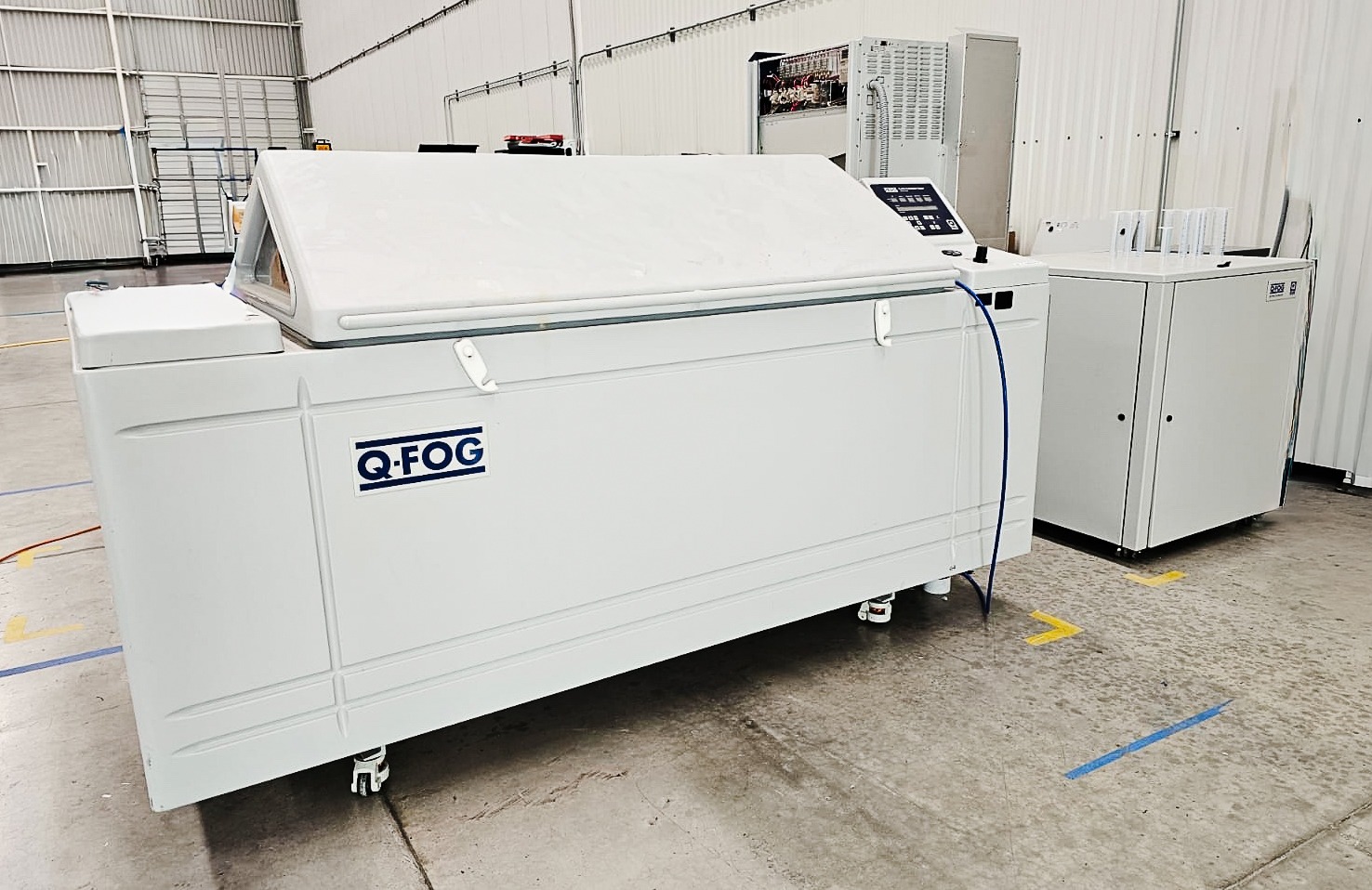
Intended to simulate harsh environments, such as coastal conditions and winter exposure to de-icing salts, these tests evaluate how materials and coatings resist corrosion. Test specimens are placed in a controlled salt fog chamber, where an accelerated corrosion process is undergone to reveal potential weaknesses. This data helps manufacturers improve protective coatings, verify durability, and qualify materials for long term use in aircraft structures, assemblies, and hardware. MGA supports a range of industry standards, including ASTM B117, DO‑160 Section 14, and SAE J2334.
Fire & Flammability Testing
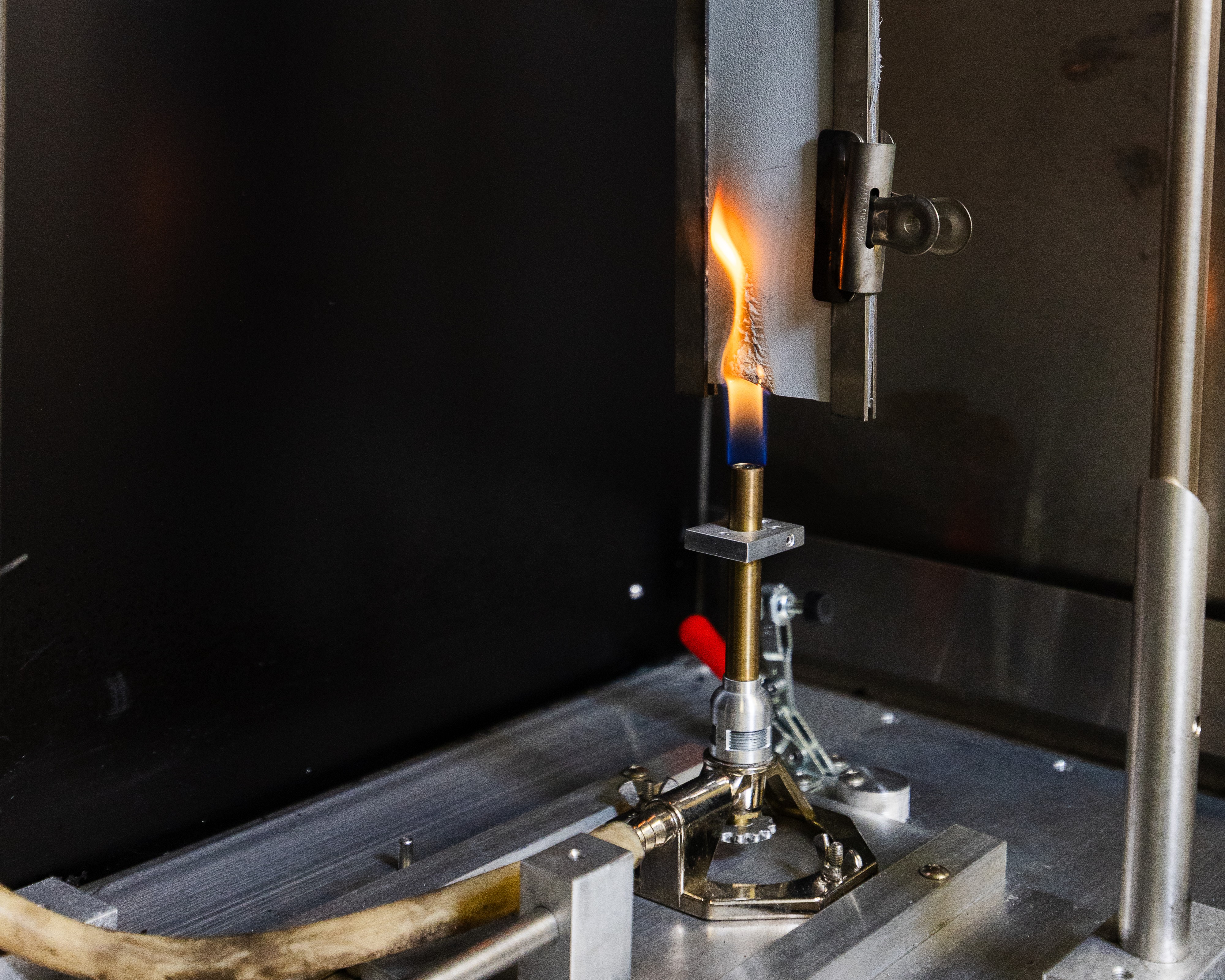
These evaluations directly support passenger safety and survivability by verifying that aircraft materials minimize fire severity and do not contribute to uncontrolled flame spread. During the test, a specimen is exposed to a controlled Bunsen burner flame inside a draft‑free test cabinet. Various factors, such as burn length and extinguishing time, are measured to determine how materials ignite, self‑extinguish, or propagate flame. Common standards referenced for this testing isare DO-160 Section 26 and FAR Part 25.
New Capability Spotlight: Vertical Flammability Chamber FAA Multi-Purpose Flammability Chamber
A major and recent investment in the Mississauga lab is the addition of verticalmulti-purpose flammability testing equipment. This capability is essential for evaluating the likelihood of a material propagating a flame in the scenario where a flame initiates inside or outside of a specific aircraft component.
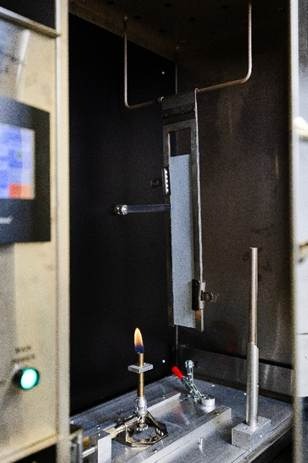
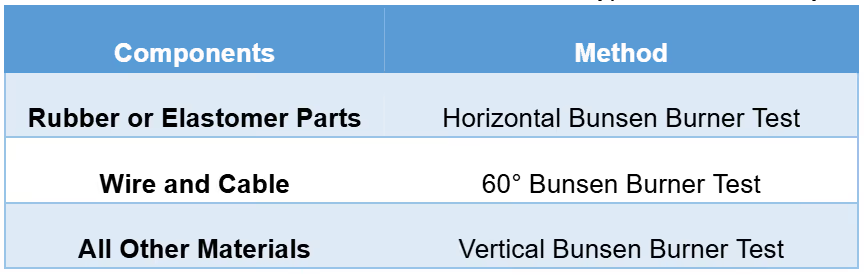
The new capability expands MGA Mississauga’s ability to evaluate a broader range of materials for flammability performance. Particularly, as per RTCA DO-160 G Section 26, the vertical flammability chamber now allows for materials other than rubber or elastomers to be tested.
Tensile, Compression and Flexural Testing
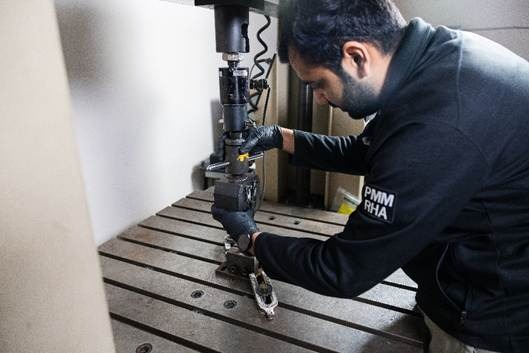
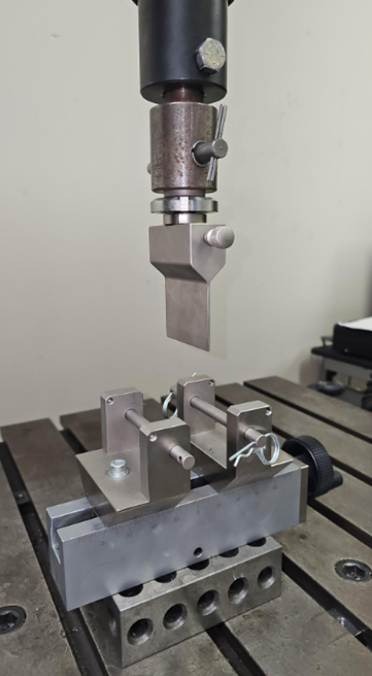
MGA supports a wide range of tests, including tensile, compression, and 3-point bend flexural, to determine material’s mechanical properties such as yield stress, ultimate stress, and failure modes. Understanding these variables is extremely valuable to engineers, enabling them to predict how a material behaves under load and optimize material selection. This ensures that components perform as intended during operation. These tests all utilize universal testing machines (UTMs) with capacities up to 60 kN load and speeds up to 500 mm/min.
Drop Testing
Evaluating a material’s impact performance is critical for components that may be exposed to sudden strikes with other objects. Painted and coated materials are evaluated for cracking, chipping, or delamination following controlled impacts. Following the test, microscopic post-test analysis can be performed to assess the coating’s integrity. MGA offers drop impact testing according to global standards, such as ASTM D2794 and ISO 6272.
Paint Adhesion Testing
MGA performs tape-based adhesion tests per the ASTM D3359 and ISO 2409 test standards, providing immediate visual indication of coating quality, surface preparation effectiveness, and overall adhesion performance. These tests are widely used for quality control, troubleshooting, and validating coatings before environmental or structural qualification testing.
Moving Forward
From flammability to corrosion, the materials testing lab at MGA’s Mississauga facility provides the Canadian aerospace industry with an extensive list of testing capabilities. These services support customers across all stages of product development, from initial research to full certification programs.
As the Inside MGA Canada series continues, upcoming articles will explore additional testing capabilities specifically focused on how MGA supports the aerospace industry.
Ready to test with MGA? Contact us today at www.mgaresearch.com/contact.
Ready to Get Started?
Let's discuss your testing needs and how MGA can help. Our team is ready to provide the expertise and solutions you're looking for.