
Vibration Testing
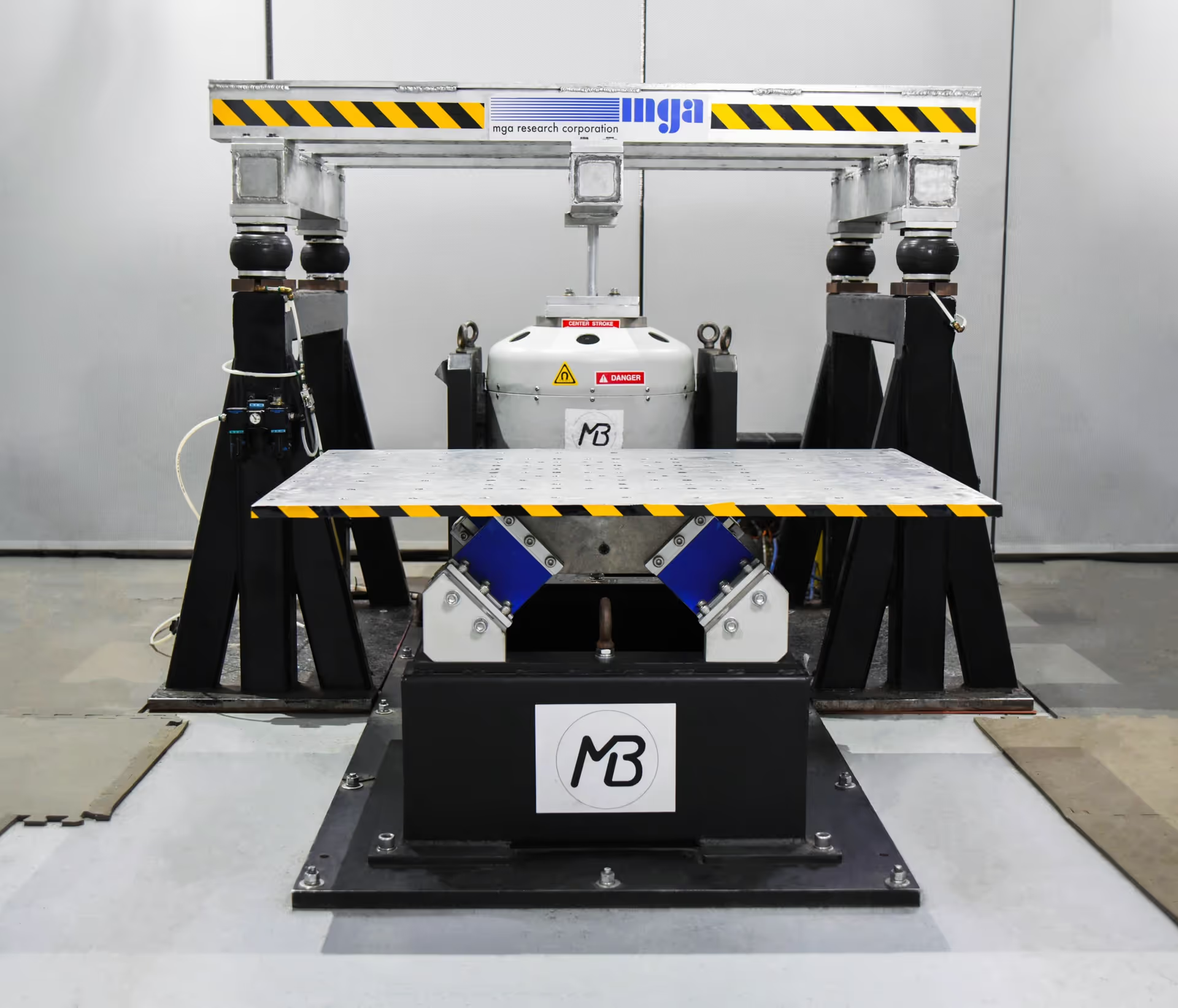
MGA offers comprehensive vibration testing services across seven laboratories, utilizing state-of-the-art equipment to simulate real-world conditions and ensure product reliability for automotive, aerospace, electronics, and defense industries.
Quick Overview

Comprehensive Vibration Testing Services
We offer extensive vibration testing capabilities across seven laboratories, serving automotive, aerospace, electronics, and defense industries.
Advanced Testing Equipment
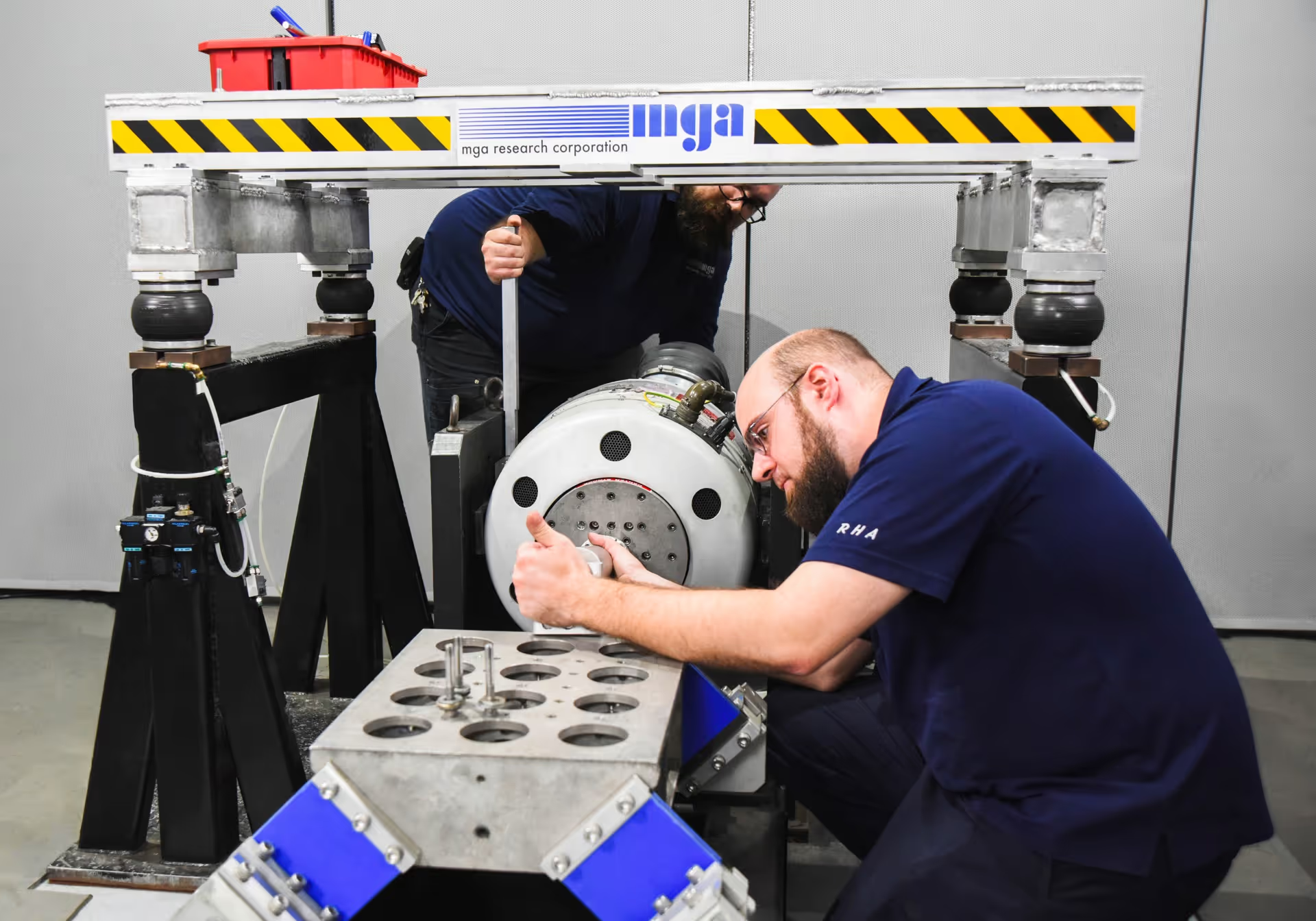
We utilize over 40 electrodynamic shakers and 15+ multi-axis tables to conduct a wide range of vibration tests, including sine, random, and shock testing.
-small.JPG)
Multi-Industry Expertise
We provide tailored vibration testing solutions for various sectors, including automotive components, batteries, aerospace parts, and military equipment.
Environmental Simulation Capabilities
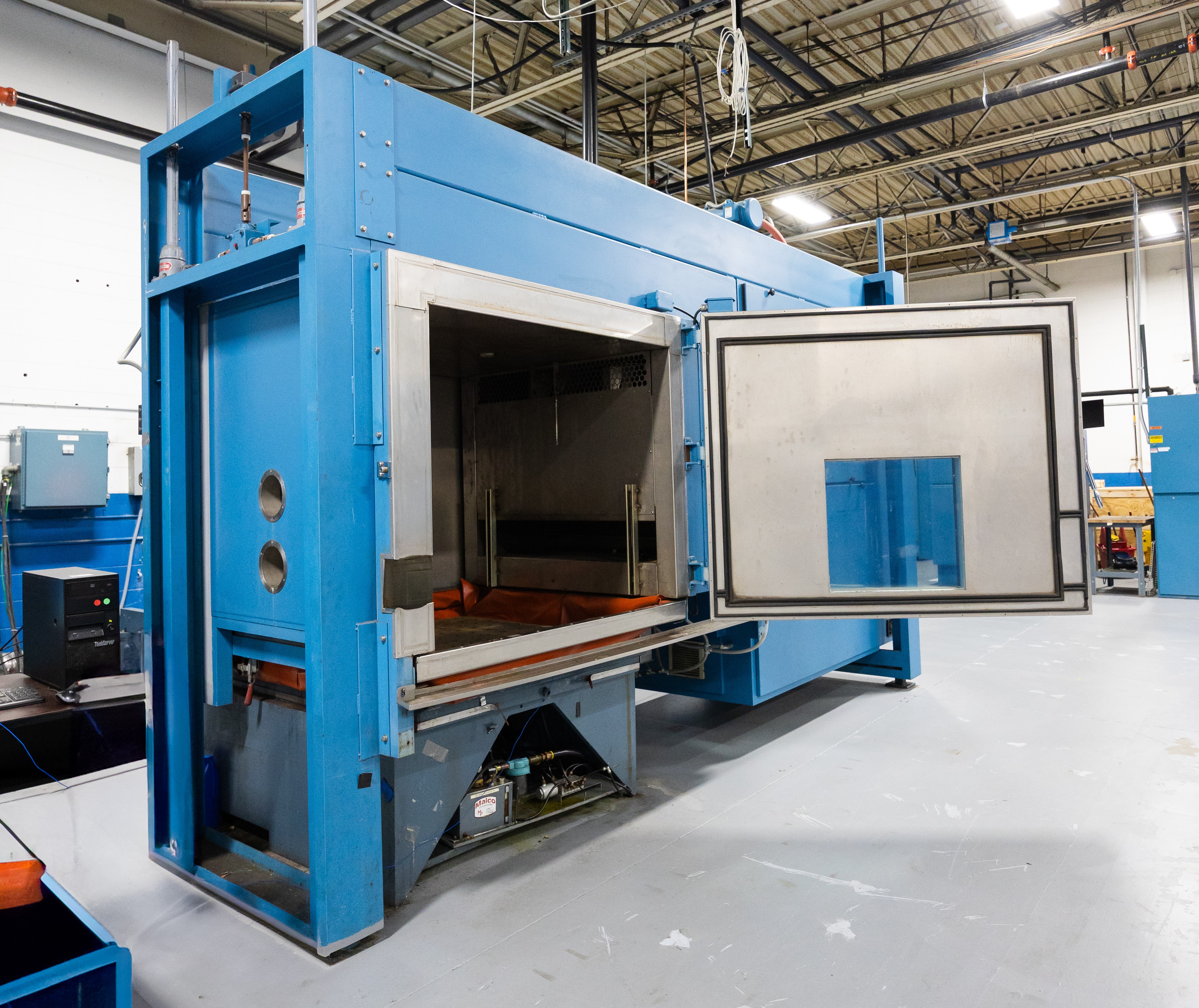
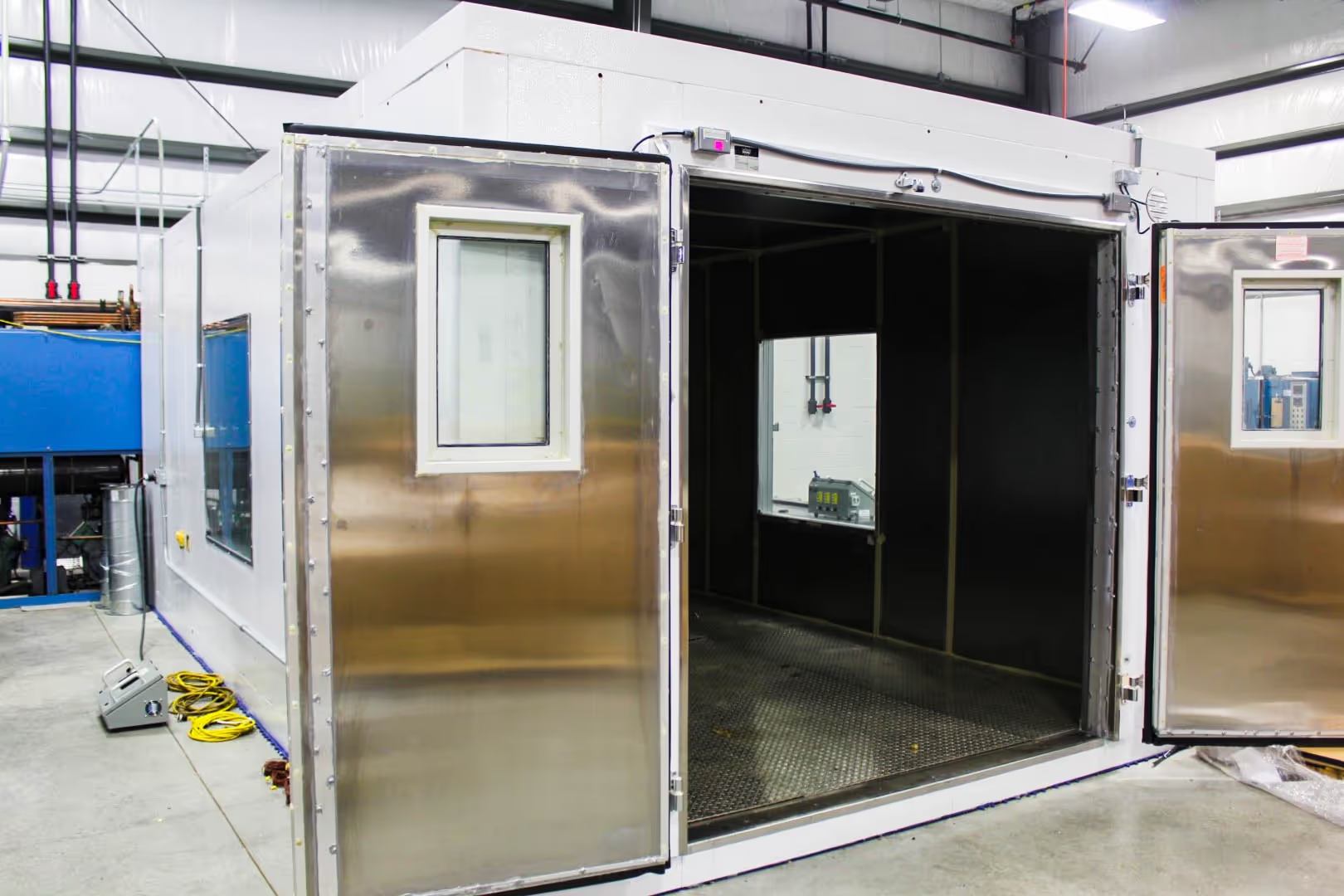
We combine vibration testing with temperature and humidity control to assess product performance under complex environmental conditions.
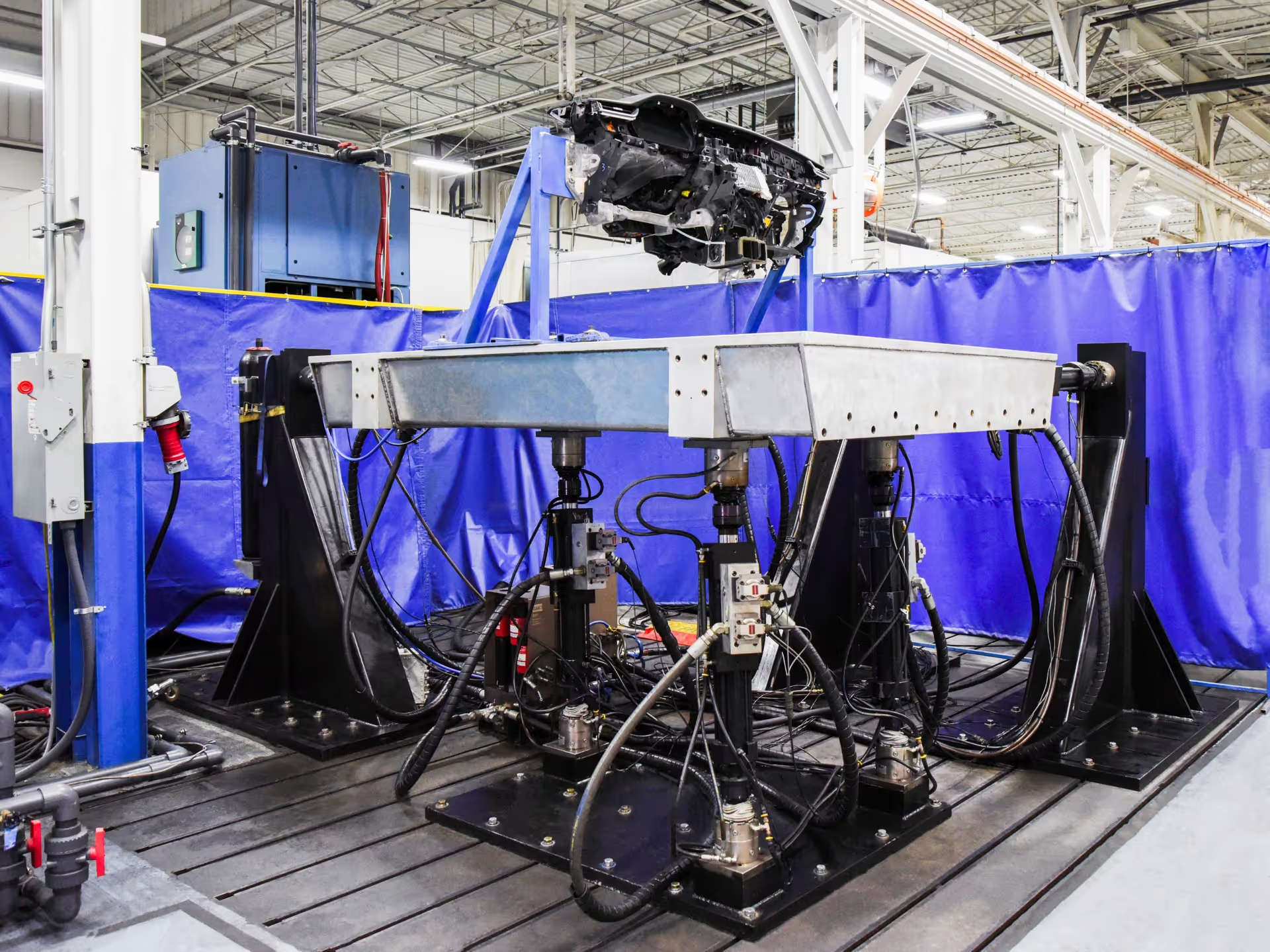
Road Simulation Technology
We use advanced multi-axis simulation tables and four-post rigs to replicate real-world driving conditions for both full vehicles and sub-systems.
Specialized Acoustic Testing
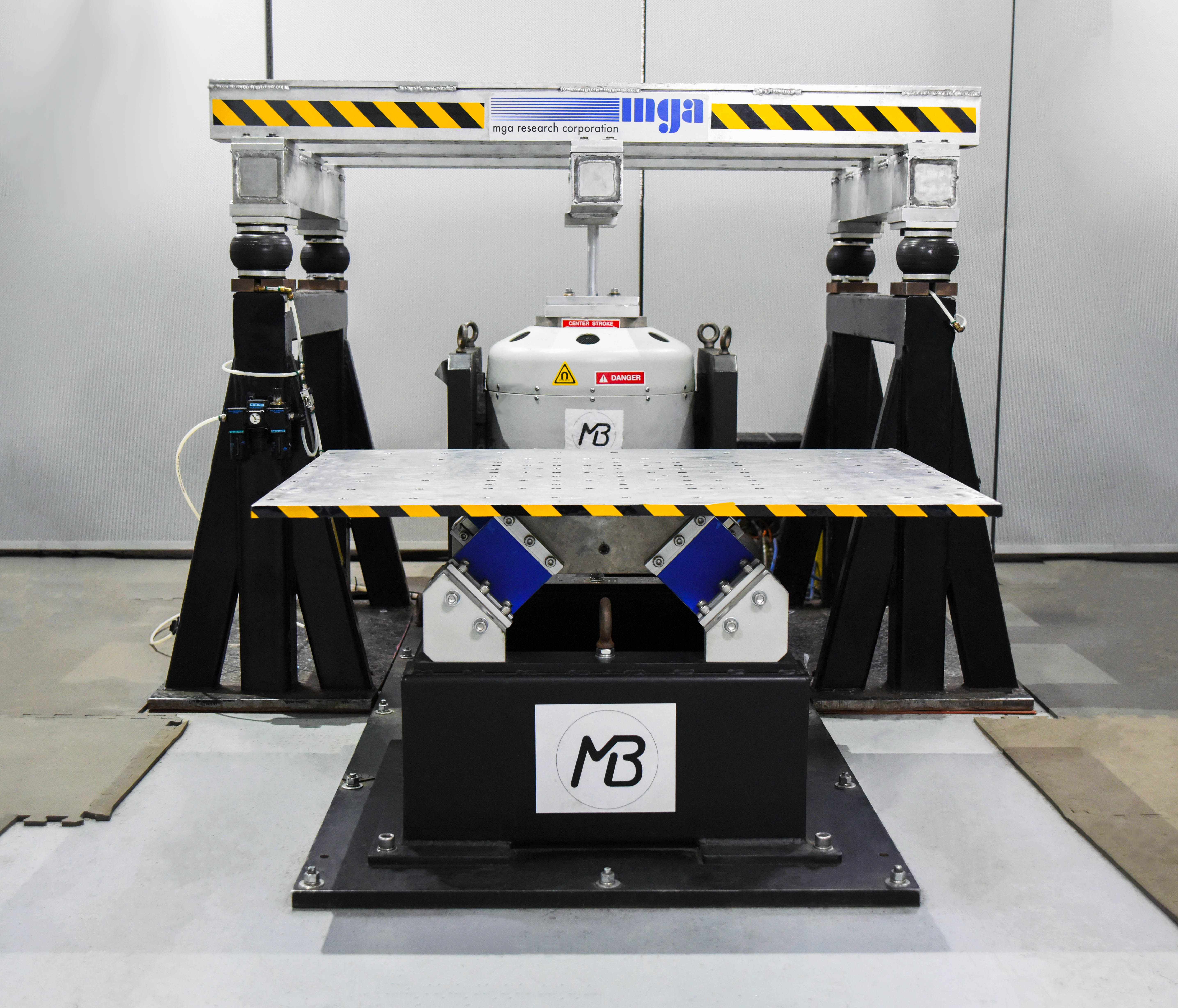
We offer anechoic chambers with MB Dynamics shakers for noise, vibration, and harshness (NVH) testing, including buzz-squeak-rattle (BSR) evaluations.
Automotive design evolves with tech, sustainability, and changing consumer demands. New systems critical to safety and quality are more vulnerable to road-induced vibration.
By exposing components to controlled vibrations, engineers can uncover potential weaknesses, structural flaws, or design issues that could lead to malfunction or failure during operation.
For decades, MGA has conducted Buzz, Squeak, and Rattle (BSR) and Noise, Vibration, and Harshness (NVH) testing for our customers. These tests are primarily conducted using two types of systems: electro-dynamic (ED) shakers for high-frequency, single-axis tests and multi-axis simulation tables (MAST) for complex vibration environments.
Vibration Testing's Broad Industry Impact
While automotive development continues to be a major driver, our vibration and acoustic expertise extend well beyond. MGA’s testing supports a wide range of industries, including:
- Automotive OEMs and suppliers refining cabin quietness and interior component reliability.
- Bus and rail manufacturers seeking durability and passenger comfort.
- Aerospace customers requiring precise simulation of in-service vibration environments.
- Consumer goods and appliance makers reducing operational noise for everyday products.
MGA’s Vibration Testing Capabilities - Wide Range of Test Systems
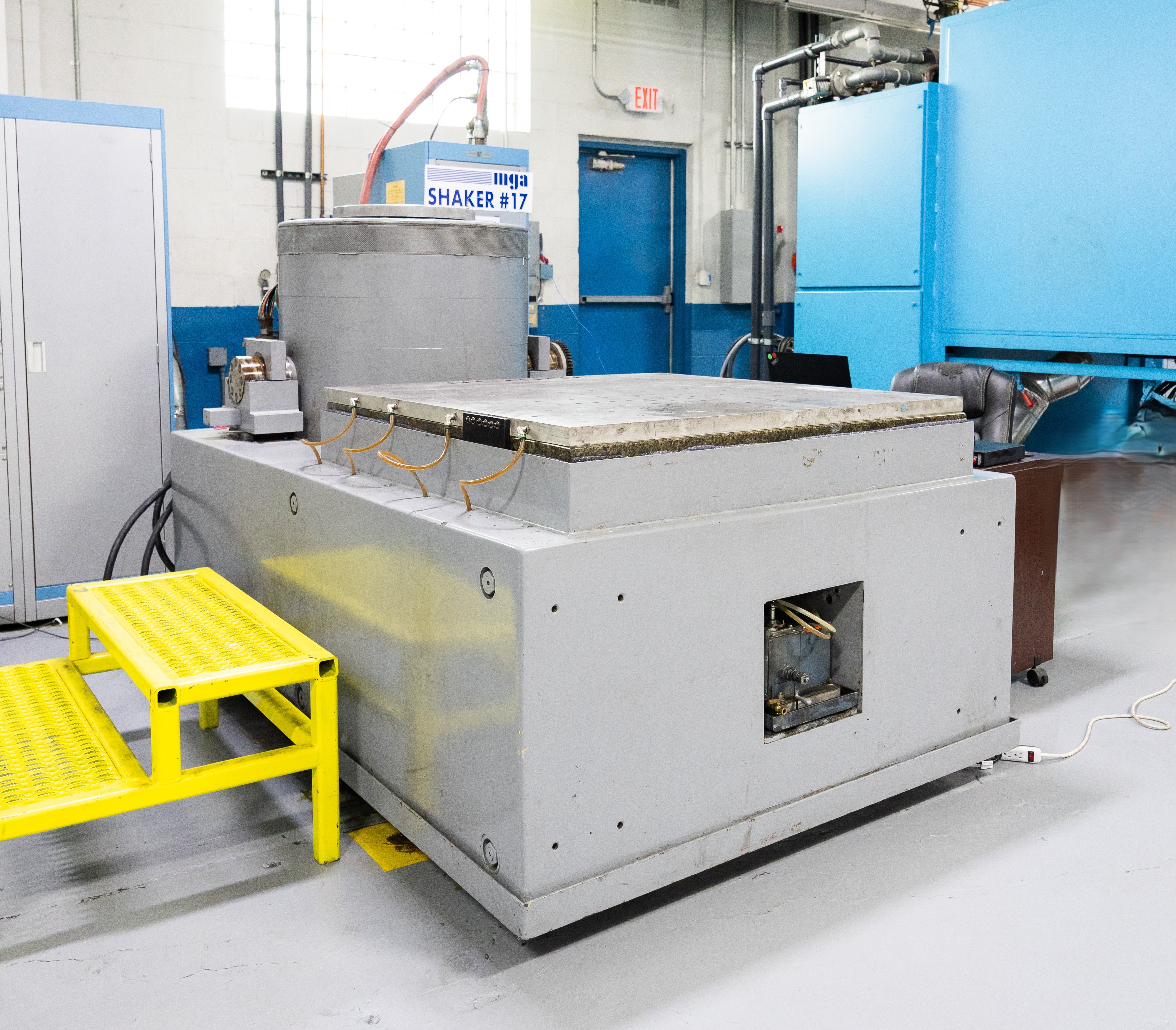
ED Shaker Testing
Components or full assemblies are mounted on an ED shaker table that vibrates at various frequencies and amplitudes to simulate normal conditions. ED shakers are built with different specs to suit testing needs, including frequency range, maximum force (in pounds-force or newtons), and displacement. They can generate vibrations from a few hertz to several kilohertz, depending on the model and use.
These machines are well-suited for GMW14188-Squeak and Rattle, GMW14011 – Objective Subjective Squeak and Rattle, GMW14240 – Laboratory Evaluation of Power Seat Sounds, and GMW14155 – Sound Master Laboratory Recording and Evaluation, as well as GM7293TP, BMW PR311-2, BMW PR089, RTS.0425.
Shaker Quantity: 50+ Company-wide
Force-lb Rating: 600-22,000
Frequency Range (Hz): 3-4,200
Test Surface Dimension: Up to 60” x 60”
Payload: Over 2,000lbs
Multi-Axis Simulation
MGA offers various approaches to hydraulic-driven multi-axis loading. This includes direct couple actuators to vehicle body’s or other suspension component, and 6 Degree of Freedom Multi Axis Simulation Tables (MAST). Components are fixed to a MAST to simulate multiple loading concurrently (X,Y,Z, Pitch, Yaw, and Roll). MGA uses advanced MTS® controls, FlexTest controllers, and RPC® Pro software. MASTs generally test with road load data for tests like St-0009, GMW16693, Heidedauerlauf, and creaking/knocking. For more information on MAST and Road Simulation, visit https://www.mgaresearch.com/capabilities/hydraulic-durability-chassis-testing.
Environmental Simulation Options
Environmental Testing Add-On
Frequently, vibration testing is paired with other environmental conditions, like temperature and humidity, to assess how components perform under combined stresses. MGA has full environmental capability for all vibration types.
AGREE style environmental chambers are adjustable to accommodate the fluctuating heights of a shaker work surface in either a vertical or horizontal test axis. MGA offers a range of chamber sizes — from the smallest at 54”x54”x48” to the largest at 96”x96”x96”. The temperature range is from -50°C to 150°C, with ramp rates up to 5°C per minute.
Types of Vibration Testing We Perform
Sine Sweep Testing
Sinusoidal (Sine) Vibration / Resonance Sweep and Dwell evaluate how components respond to specific vibrations. This test identifies resonant frequencies, which could cause noise or damage. Ideally, these are outside normal use ranges, but rarely are they. Continuous exposure accelerates stress and failure. The feedback from resonance searches helps engineers modify designs to keep resonant frequencies outside normal ranges.
Random Vibration Testing
Random Vibration is used in industries like Aerospace and Automotive to simulate unpredictable vibration environments components face during operation. It applies across a broad frequency spectrum with varying amplitudes to imitate road conditions and vehicle dynamics.
Shock
Shock Testing evaluates a component’s ability to withstand sudden changes in acceleration or shock. This is a critical testing element for both the automotive industry and flight qualification testing within the Space and Defense industries.
Sine-on-Random Testing
Sine-on-Random vibration testing combines sine and random vibrations to better excite resonance peaks and replicate real-world conditions. It accelerates fatigue testing by stressing weak points more intensely without increasing overall energy, revealing issues not easily detected with routine tests. This method replicates tonal vibrations such as engine RPMs and motor harmonics, providing more precise and realistic results.
Sine Burst
A specialized vibration method designed to apply short-duration, high-energy sinusoidal pulses to a component or system. Unlike continuous sine sweep or dwell tests, it delivers concentrated bursts that simulate transient dynamic stresses such as shocks or sudden loads. Typical practice is to leave about 3-5 seconds per load. This ensures accurate stress replication without damage from overlapping vibrations.
Road Load Simulation
For information on road load simulation, please visit https://www.mgaresearch.com/capabilities/hydraulic-durability-chassis-testing.
Advanced Testing Capabilities
Our MGA teams are equipped with a full suite of instrumentation for vibration, sound, and durability studies:
Modal Analysis Systems
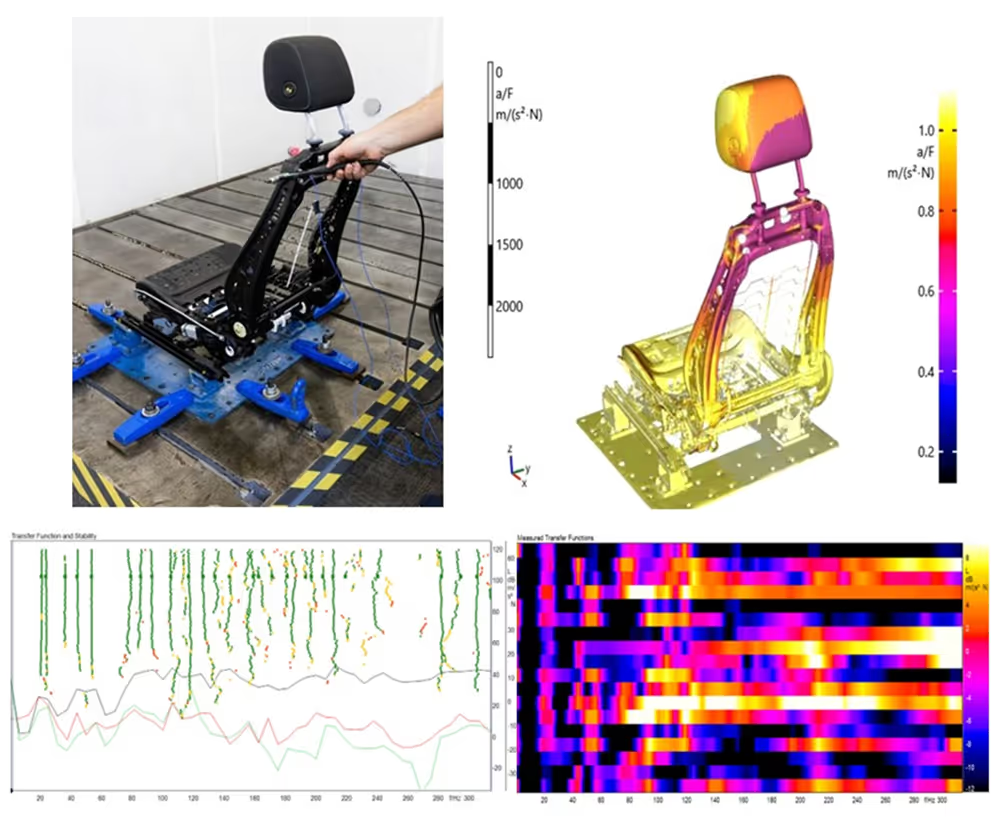
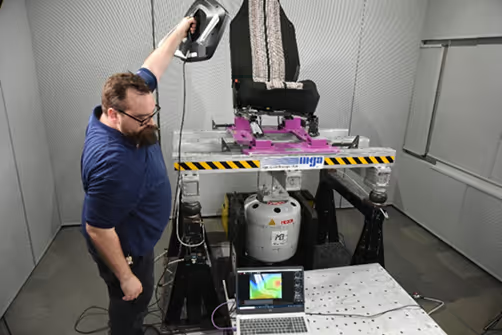
Modal Analysis Systems identify resonant frequencies and structures' behaviors. Our ArtemiS SUITE Modal analysis tool, connected to sound equipment, uses 3D scanning to show transfer path curves, mode shapes, damping, mass particulate coefficient, and detected modes with natural frequencies and behaviors. This data allows the 3D scan to animate all modes and frequencies using solid bed plate to free-to-free analysis methods.
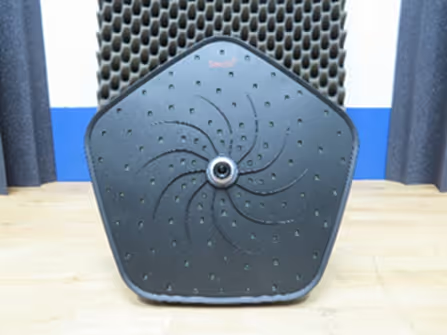
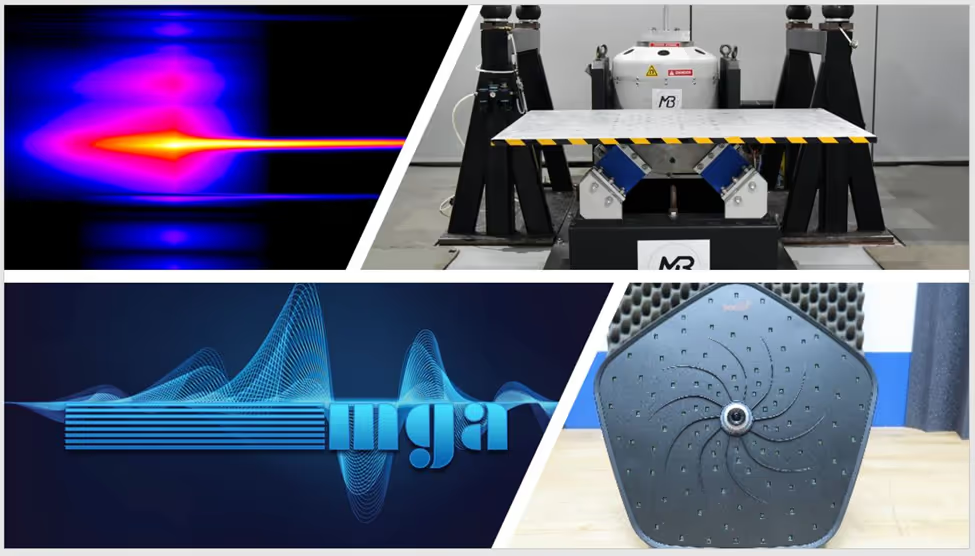
Sound Camera – SeeSV S206
MGA utilizes the SeeSV S206 sound camera to pinpoint BSR issues in automotive composites and vehicles. This cutting-edge tool offers real-time sound visualization with high spatial resolution, enabling us to identify and eliminate noise sources efficiently. The SeeSV S206 is integral to our BSR root- cause analysis, quality control, and ensuring customer satisfaction..
Key Features
Hardware
- Unique, Innovative Design
- 96ch Digital MEMS Microphones
- High Resolution Optical Camera
- High Speed Processing based on FPGA
- Easy Connection based on Wireless Network
Software
- Real-Time Sound Imaging
- High Speed Image Update, 25 FPS
- Optimized for BSR Detection
- Background Noise Removal (Noise Gate)
- Selective Listening for Noise Source
- Effective Post Processing
- FFT and Octave Analysis
- Mobile function through Web Service
Psychoacoustics
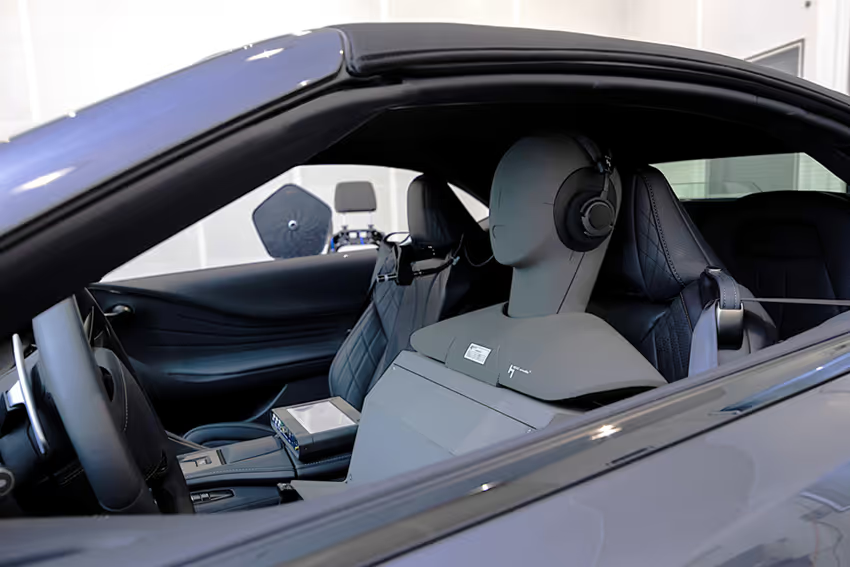
- Binaural recording and playback: Head Acoustics, binaural recording, and playback capabilities enable us to simulate realistic listening environments and provide valuable insight into how sound is perceived spatially.
- Sound quality evaluation: With Head Acoustics' sound quality evaluation tools, we can assess the perceived quality of sound in vehicles and products, ensuring they meet the highest standards.
- Psychoacoustic analysis: Head Acoustics' psychoacoustic analysis software allows us to analyze how different sound characteristics, such as pitch, loudness, and timbre, influence human perception.
Advanced Data Acquisition and Processing
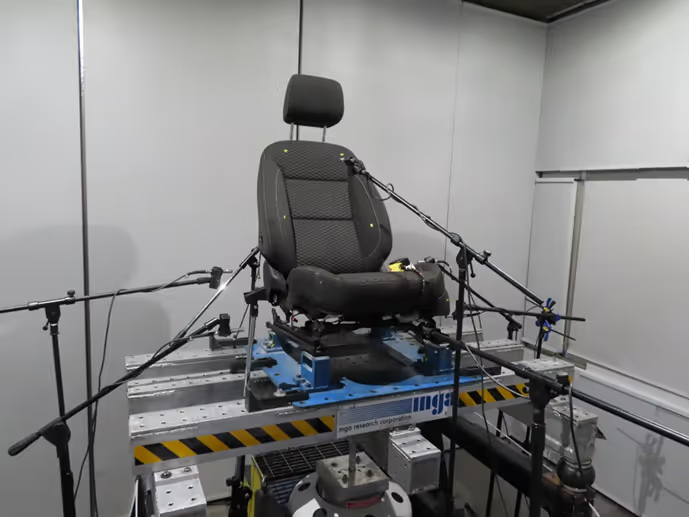
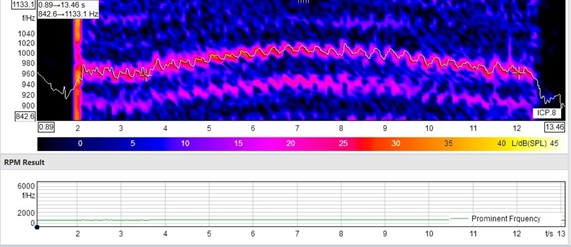
In response to the increasing complexity of automotive seat designs, MGA has integrated the RPM Generator software from HEAD acoustics into our BSR/Sound Lab. This innovative software allows us to measure precise sound levels in motor operations, especially in advanced automotive seats with automated adjustment, inflatable lumbar and bolsters, and cooling vents.
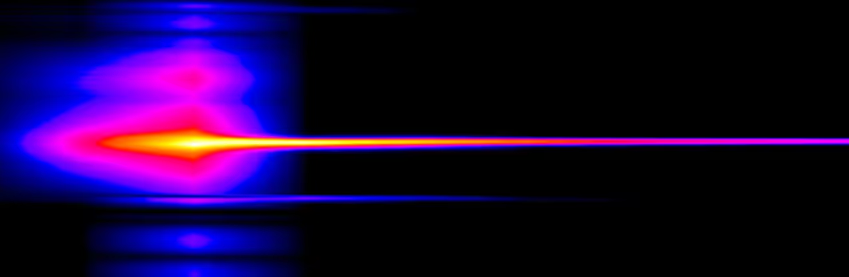
The LabCOMPACT12 Frontend DAQ Unit from HEAD acoustics supports 12 microphones or sensors like accelerometers, covering a component under test. Sound recordings are processed with Artemis Suite and HEAD Recorder software into data and graphics, aiding sound quality analysis. This helps engineers understand in-vehicle component sound responses to vibration or noise. Proper data analysis determines if the component meets manufacturer standards.
Key Features of MGA’s Sound Lab
- XYZ single axis.
- (3.4 g’s RMS) Pk
- Stroke pK-pK = 50mm
- Sine – 4450 N-pK Random – 2900 N-pK
- Noise Rating Curve (NR) = NR18
- N10 Time Varying Loudness <0.2sones
- Peak Force (instantaneous) = 8900 N pK
- Includes semi anechoic chamber 19dB(A)
- Environmental from -50°C to 150°C
Standards and Test Specifications
Vibration testing, when done according to industry standards, reliably evaluates a product’s performance and durability under real-world conditions. Many industries rely on respected organizations like ISO, ASTM, MIL-STD, and IEC to develop standardized test procedures ensuring repeatability, consistency, and accuracy. Below is a list of some standards used for vibration.
- ASTM D4728: International test standard used to evaluate the robustness of shipping containers when exposed to random vibration inputs.
- MIL-STD-810: Military standard created for use by the Department of Defense, but is widely used to evaluate commercial products through environmental and mechanical test loads.
- SAE J1211: International test standard supporting the proper design of electronic automotive systems.
- DO160: Focused on ensuring the proper functioning of equipment inside an aircraft during the expected environments that can be encountered in a regular flight
- OEM specifications supported
- Ability to customize testing per client or OEM requirement.
Component Applications
These shaker systems are integral to the development and validation of products and components in industries such as:
- Automotive: Testing vehicle components and systems for durability and reliability under road conditions.
- Interiors: Instrument Panels, Consoles, Door Trim, Hard Trim
- Exteriors: Bumpers, Liftgates, Mirrors, Headlamps, FEMS, Fascias, Underbody Hoses, Flares, Doors
- Seats
- Battery: The drive to further electrification of vehicles has increased the need for vibration on energy storage systems (high voltage batteries).
- Cells
- Modules
- Packs
- High/Low Voltage Harnesses
- Aerospace: Simulating the vibrations experienced during flight to ensure the structural integrity and performance of aerospace components. Vibration is a critical part of FAA Flight Qualification requirements.
- Seats
- Furniture
- Electronics: Assessing the resilience of electronic devices to vibrations that may occur during transportation or operational use.
- Lighting systems
- Sensors
- Wire Harnesses
- Fuel System Electronics
- Engine Control Unit
- Airbag Control Unit
- Camera Systems
- Window Regulator Module and Motors
- HVAC Blowers and Controllers
- Seat Control Modules
- Infotainment Systems
- Onboard Charging Systems
- Battery Management Systems
- Military and Defense: Validating the ruggedness of equipment used in harsh environments or under extreme conditions, such as rockets and missiles.
- Valves
- Actuators
- Solenoids
- Control Systems
- Sensors
- Life Support Systems
- Thrusters
- Igniters
- Pumps
- Powertrain and Engine Components: Higher frequency vibration can be found on components near the powertrain and engine and can result in resonance concerns in these components. Sweeping through a large frequency range can expose these resonance frequencies.
- A/C Lines
- Fuel Lines
- Compressors
- Electric
- Pulley Driven
- Radiators
Why Choose MGA for Vibration and Sound Testing
- Unmatched capacity with 40+ electrodynamic shakers and 15+ multi-axis tables
- Vibration testing integrated with Full DVP&R support
- Anechoic chambers featuring MB Dynamics shakers for NVH / Buzz-Squeak-Rattle (“BSR”) Testing
- Full environmental add-on capability featuring both temperature and humidity control
- Full potential to deliver sine, random, sine-on-random, shock, multi-axis control, and modal analysis services
- Overall business approach and network
- Versatility across a network of MGA facilities, enabling tailored scheduling, resource sharing, and seamless project support across multiple locations. Supported facilities include:
- Hughson, California
- Akron, New York
- Holly, Michigan
- Troy, Michigan
- Greer, South Carolina
- Mississauga, Canada
- Lincoln, Alabama
- Irving, Texas
- Burlington, Wisconsin
- Direct access to experienced engineering teams across our nationwide laboratories, ensuring consistent technical expertise and collaborative problem-solving
- Capability to perform vibration testing at extreme temperature conditions, enabling components to experience harsh, real-world environments
While automotive development remains a key focus, MGA’s vibration and acoustic expertise reaches far beyond—supporting diverse industries with testing that delivers confidence, accuracy, and quality. Contact us today to discuss solutions for your testing needs.
Ready to Get Started?
Let's discuss your testing needs and how MGA can help. Our team is ready to provide the expertise and solutions you're looking for.