
How Interior Components are Tested for Durability, Environmental, and Emissions Validation
May 5, 2026

When manufacturers are developing or validating a material change for a new automotive product, success is often defined by how the product looks, feels, performs, and holds up to real-world use.
Late-stage material failures can lead to costly tooling changes, warranty concerns, launch delays, or customer complaints. Scratching, fading, and odor issues are all risks that must be addressed during validation.
From early development through product validation, our materials laboratories across our network, including our new lab at the Troy, Michigan facility, support the critical testing necessary to meet automotive interior quality expectations and compliance with OEM performance requirements.
Let’s explore some of the ways that MGA Research can help support your program through the example of bringing a new automotive instrument panel to market through materials testing and performance procedures.
For more information on our materials capabilities, download our brochure here.
Confidence in the Surfaces Passengers Interact with Every Day
The instrument panel is one of the most visible and frequently touched interior parts. Customers will quickly notice if surfaces show signs of scratches, wear, discoloration, or a loss of overall texture.
The most common material tests mentioned in an IP test plan include:
- Chemical resistance testing to evaluate exposure to sunscreen, hand sanitizer, interior cleaners, and other common fluids.

- Scratch and mar resistance testing to assess durability against fingernails, keys, rings, and everyday contact.
.jpg)
- Abrasion resistance testing to simulate repeated and long-term surface wear.

These evaluations help ensure that decorative films, grained plastic components, coatings, and soft-touch materials maintain their intended appearance over time.
Addressing Long-Term Durability in a Harsh Interior Environment
Instrument panels experience a significant level of environmental stress due to their proximity to the windshield. Through the windshield, materials are subjected to intense heat, UV radiation, and cycling environmental conditions.
In this scenario, our materials lab supports validation through:
- Heat aging, humidity exposure, and thermal cycling to evaluate the effects of extreme thermal conditions of components. Seen below are MGA’s new high-performance reach-in temperature and humidity chambers, capable of -73°C to 190°C for extreme conditions.
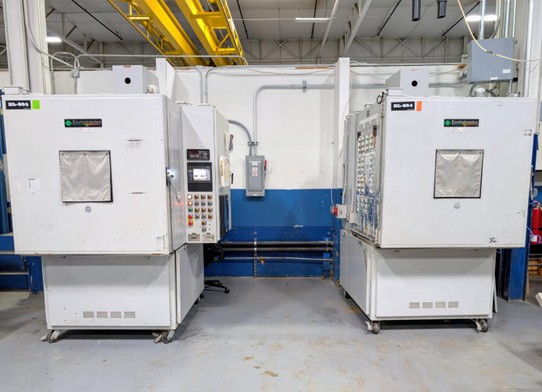
- UV and weathering simulation to ensure components can withstand sunlight and its harmful effects. With the IP often being the highest exposure solar load component from the entire car interior, it must undergo extreme weathering conditions. Our Xenon arc chambers can control, with irradiance, from 20°C to 100°C and 20-80% relative humidity.
.jpg)
- Ensure protection against corrosion by simulating the long-term effects of real-world exposure. In the IP example, corrosion only applies to the metal components in an IP. Common standards for corrosion resistance are ASTM B117 and ISO 9227.
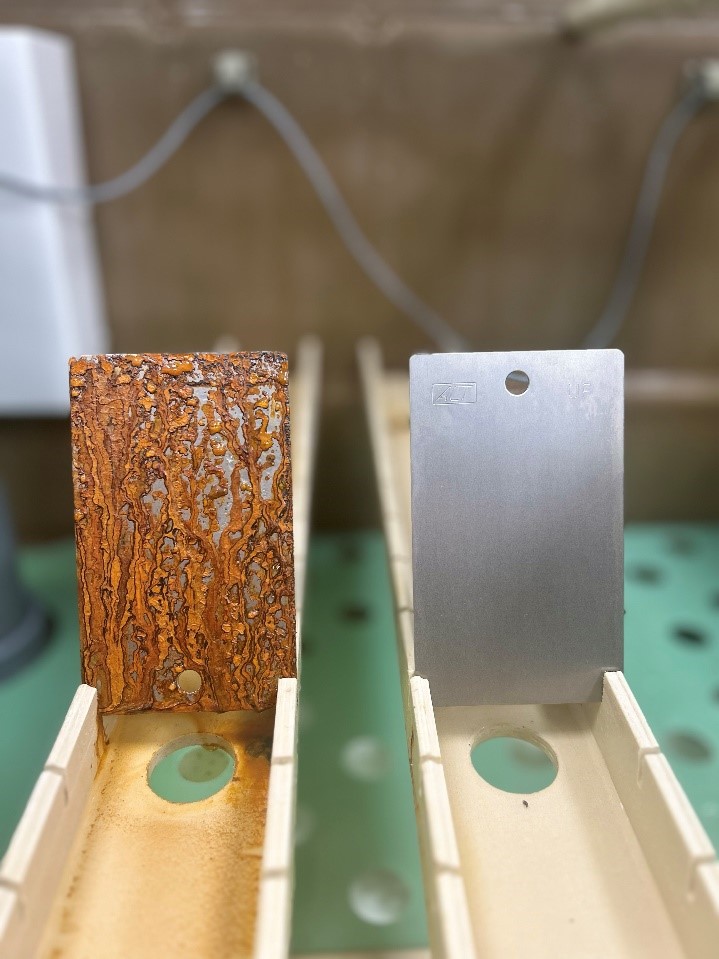
Environmental testing helps identify risks such as cracking, fading, embrittlement, delamination, or warpage caused by environmental effects during daily use.
Think About What the Passengers See ... and Smell
Interior emissions directly affect customer perception and regulatory compliance. Even minor volatile emissions can affect windshield clarity or create noticeable odors inside the vehicle cabin.
At MGA, we support automotive interior emissions testing through:
- Fogging testing to measure condensable volatiles that may deposit on interior glass.

- Odor evaluation to assess olfactory behavior under controlled thermal conditions.
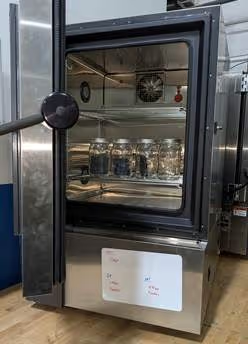
- Volatile organic compound (VOC) testing to quantify airborne compounds released from plastics, adhesives, foams, and decorative skins under elevated cabin temperatures. This test can also be performed on the complete assembly.

These tests are commonly required for substrates, foams, adhesives, and surface materials during development and validation.
Mechanical Performance When It Matters Most
Interior materials must demonstrate the mechanical performance required for both everyday use and during critical safety events. For instrument panels, the substrates, foams, and engineered tear seams must maintain the right balance of strength, flexibility, and controlled deformation. This is especially important during critical events such as airbag deployment.
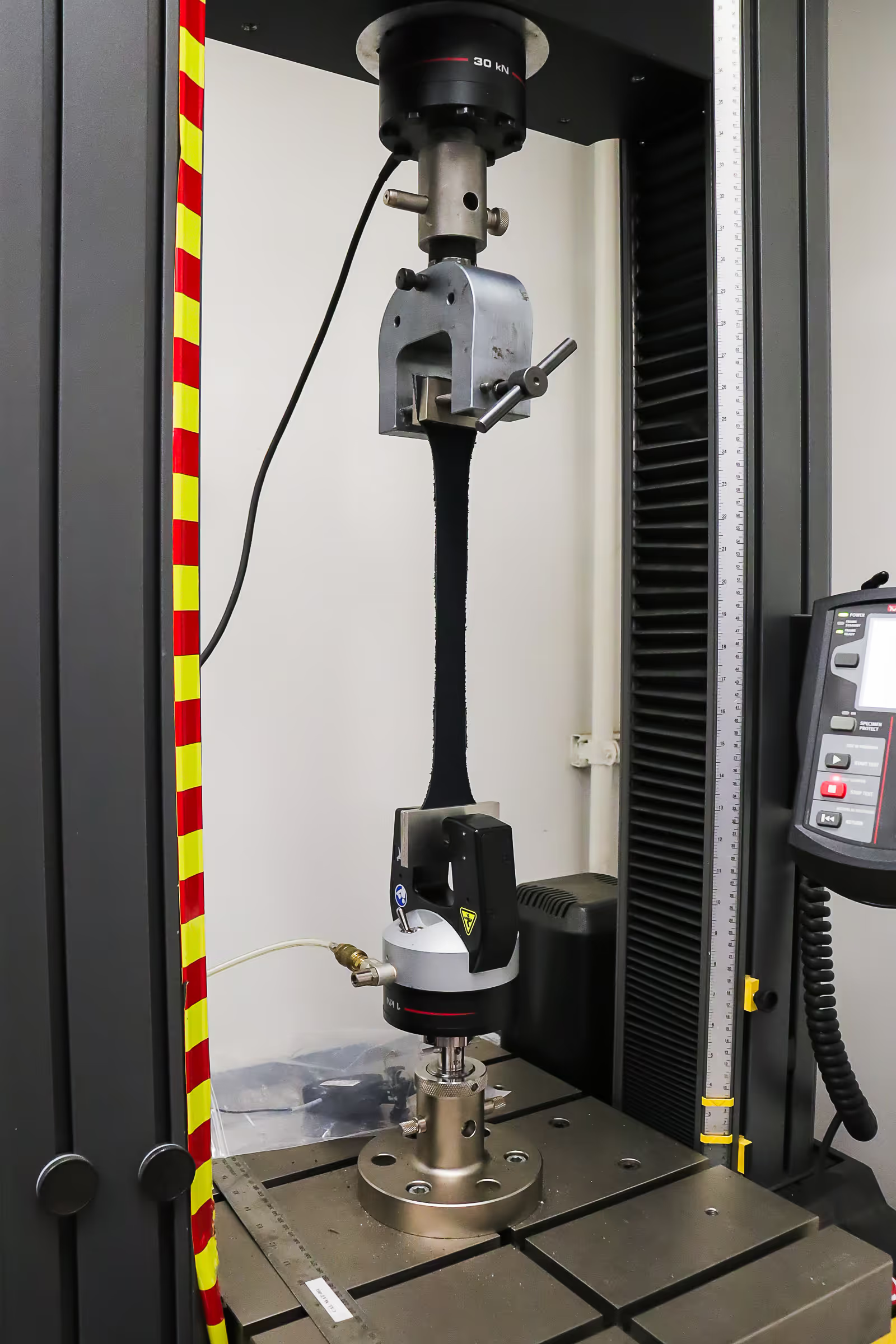
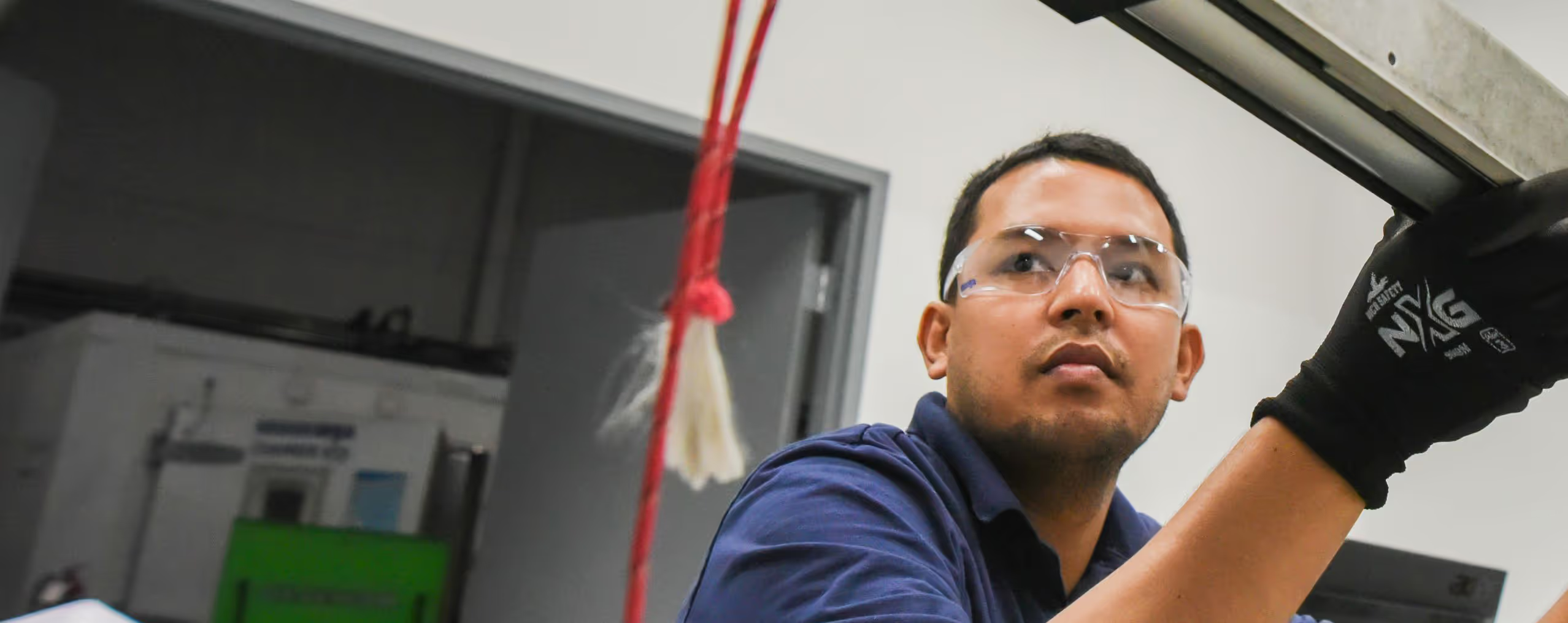
Our laboratory in Troy, Michigan, utilizes the Universal Testing Machines (UTM) to characterize tensile and compression behavior, demonstrating how materials stretch, compress, and fail under real-world loading conditions. These insights support confidence in long-term serviceability and performance throughout the lifecycle of the component.
Key components of the UTM:
- Tensile testing to evaluate strength, elongation, and modulus of plastics, films, and textiles
- Compression testing to characterize energy absorption and recovery behavior
- Peel and adhesion testing for bonded layers, skins, and decorative films
Supporting Your Program at Any Stage
Our newly A2LA-accreditted materials lab in Troy is here to support your next program. Whether your product is in material selection and development, moving through validation, undergoing a supplier or formulation change, or in production with a performance concern, we are here to help you with comprehensive solutions.
Our materials testing capabilities are aligned with automotive interior requirements. By evaluating surface durability, chemical resistance, environmental performance, emissions, and mechanical performance, we help support confident product changes and launches.
Contact us today to learn more about our materials testing capabilities or to request a quote.
Ready to Get Started?
Let's discuss your testing needs and how MGA can help. Our team is ready to provide the expertise and solutions you're looking for.