
The Role of AEB in Modern Vehicle Safety
Mar 11, 2026
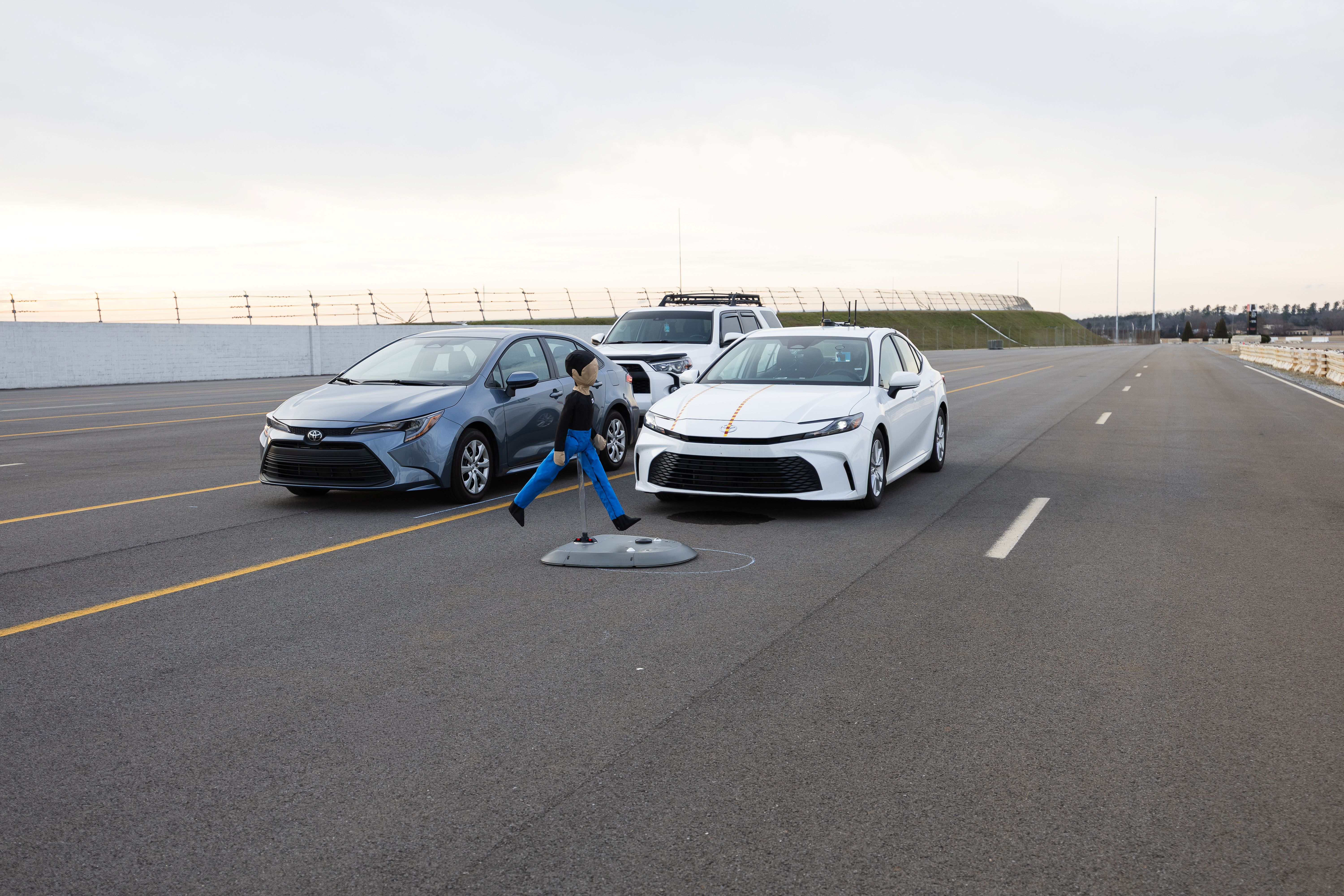
Automatic Emergency Braking (AEB) systems are now expected in newer vehicles as NHTSA determined in 2024 that this new technology will advance the overall goal of “saving lives and reducing serious injuries from frontal crashes,” (NHTSA Finalizes Key Safety Rule to Reduce Crashes and Save Lives).
In short, AEB is an advanced safety system that uses various combinations of cameras, radars, LiDAR and/or Ultrasonic to detect imminent forward collisions with vehicles, pedestrians, or other objects. The system automatically applies the brakes if the driver fails to respond, providing backup during distracted or impaired drivingother driving impairment, such as during medical emergencies at the wheel. AEB serves to reduce crash frequency and severity for all occupants in and out of the vehicle.
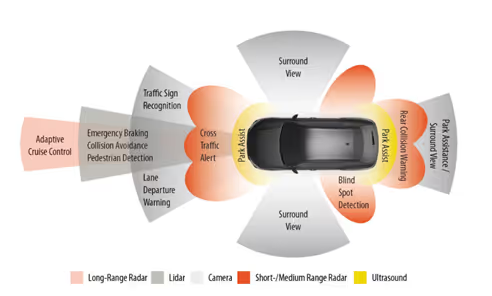
As safety ratings evolve, AEB performance is becoming a defining factor in vehicle competitiveness. MGA now supports AEB testing and other Advanced Driver Assistance Systems (ADAS) testing to help manufacturers gain confidence with their next project.
ADAS Testing Scenarios at MGA: Front Crash Prevention (FCP) and Pedestrian AEB (P-AEB)
MGA continues to expand its capabilities in alignment with the growing emphasis on advanced driver assistance technologies. Today, we provide comprehensive support for Front Crash Prevention (FCP) and Pedestrian Automatic Emergency Braking (P‑AEB), two core elements of modern safety evaluations.
As the industry advances toward broader collision‑avoidance functionality, our team remains closely engaged with emerging test methods and technology trends to ensure our ADAS offerings evolve in step with customer needs.
Front Crash Prevention (FCP)
FCP evaluates a vehicle’s ability to recognize and respond to an impending rear‑end crash scenario. These tests assess how effectively the vehicle detects a slowing or stopped lead vehicle, measures closing speed, and applies appropriate braking to reduce or avoid impact.
Pedestrian Automatic Emergency Braking (P‑AEB)
AEB systems rely on a series of sensors, typically radar and camera, to continuously evaluate roadway environments and measure the relative speed and position of nearby vehicles, pedestrians, and cyclists. These data streams are processed by onboard algorithms designed to recognize developing hazards, such as a stopped vehicle or a vulnerable road user, and determine when intervention is necessary.

When a potential collision is identified, the system issues a driver warning or applies braking automatically to help mitigate or prevent the impact.
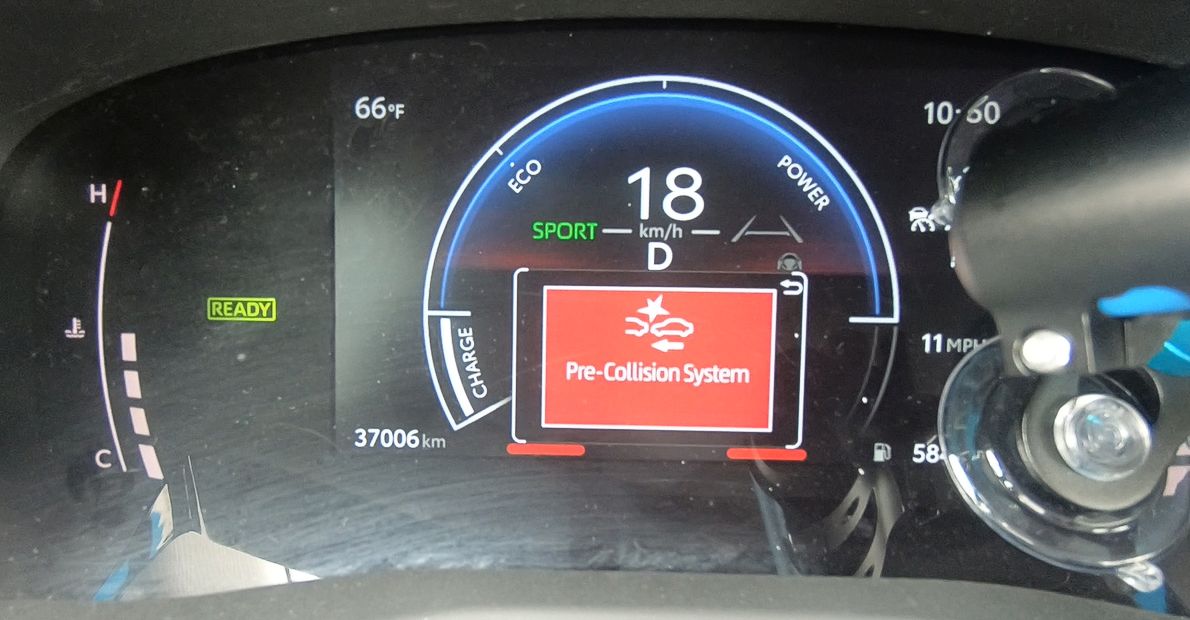
P-AEB focuses on a vehicle’s capability to identify vulnerable road users and intervene when a collision becomes likely. This includes detecting pedestrians along entering or crossing the vehicle’s path and determining whether the system can apply timely braking to mitigate or prevent the event.
Real-World Effectiveness of AEB
Real‑world data continues to demonstrate that Automatic Emergency Braking plays a meaningful role in reducing the frequency and severity of front‑end crashes. Data from IIHS and NHTSA's Partnership for Analytics Research in Traffic Safety (PARTS) show approximately a 50% reduction in rear-end crashes in vehicles equipped with AEB, and the reduction rate continues to rise as AEB software improves with newer models (*https://www.nhtsa.gov/parts-partnership-for-analytics-research-in-traffic-safety, *https://www.iihs.org/research-areas/advanced-driver-assistance).
As sensor technologies mature, vehicles are becoming more adept at recognizing potential hazards across a wider range of environments. Improvements in detection accuracy, object classification, and system responsiveness help ensure that AEB can intervene more effectively when a collision becomes likely.
Ongoing advancements in machine learning and software calibration further support consistent performance in varied conditions, including both daylight and low‑light scenarios, reinforcing the importance of these systems in today’s safety landscape.
How MGA Supports AEB Development
Given the impact AEB can have on vehicle safety, further developing these life-saving features is critical. MGA's testing services help support the validation and refinement of AEB systems throughout the development lifecycle.
Over the past few years, MGA has actively participated in industry workshops, technical forums, and hands-on training opportunities focused on advancing AEB and ADAS technologies. This ongoing industry participation ensures our team remains aligned with evolving test protocols and best practices, enabling us to deliver informed, high-quality support to our customers.
MGA supports manufacturers in enhancing and achieving success in AEB performance efficiently as systems transition from development to deployment. This is accomplished through IIHS FCP 2.0 and IIHS P-AEB services, preparation for evolving NHTSA NCAP and FMVSS test requirements, and access to year-round proving grounds and partner tracks.
With nearly 50 years of safety testing experience, MGA is here to support your needs that will contribute to safer roads. Contact MGA today for ADAS testing support, and be sure to visit our capabilities page for more information.

Ready to Get Started?
Let's discuss your testing needs and how MGA can help. Our team is ready to provide the expertise and solutions you're looking for.