
Solar Simulation Testing in Automotive Development: Ensuring Long-Term Material Performance
Mar 19, 2026
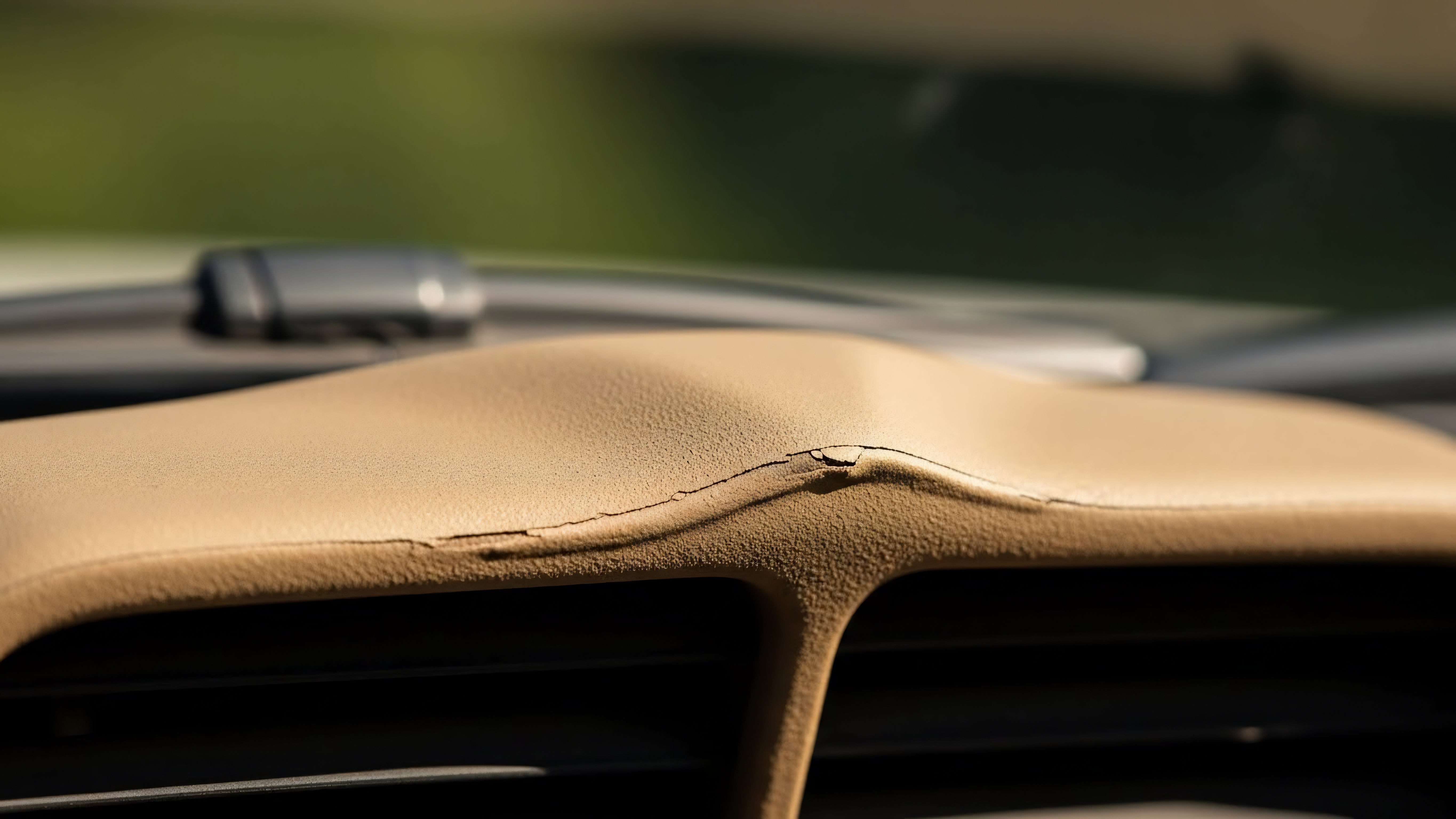
In our previous article, we explored why sunlight—especially UV radiation—is one of the most destructive forces acting on automotive materials. From faded trim to cracked plastics, prolonged sun exposure can compromise both the appearance and durability of vehicle components.
The next question manufacturers must now answer is: how do you validate that your materials and assemblies will withstand years of solar exposure?
In this article, we’ll explore how component-level solar simulation works, why it’s essential for modern vehicle development, and how MGA helps manufacturers validate long-term durability under real-world sunlight conditions.
Accelerated Weathering with Solar Simulation
In environmental testing, sunlight simulation is necessary for determining the longevity of materials. Beyond just heat, the sun puts out a broad spectrum of light that can degrade and discolor materials, leading to undesirable aesthetics and texture. At MGA Research Corporation, we understand the critical role environmental durability plays in product performance. That is why we offer both material and assembly level solar testing.
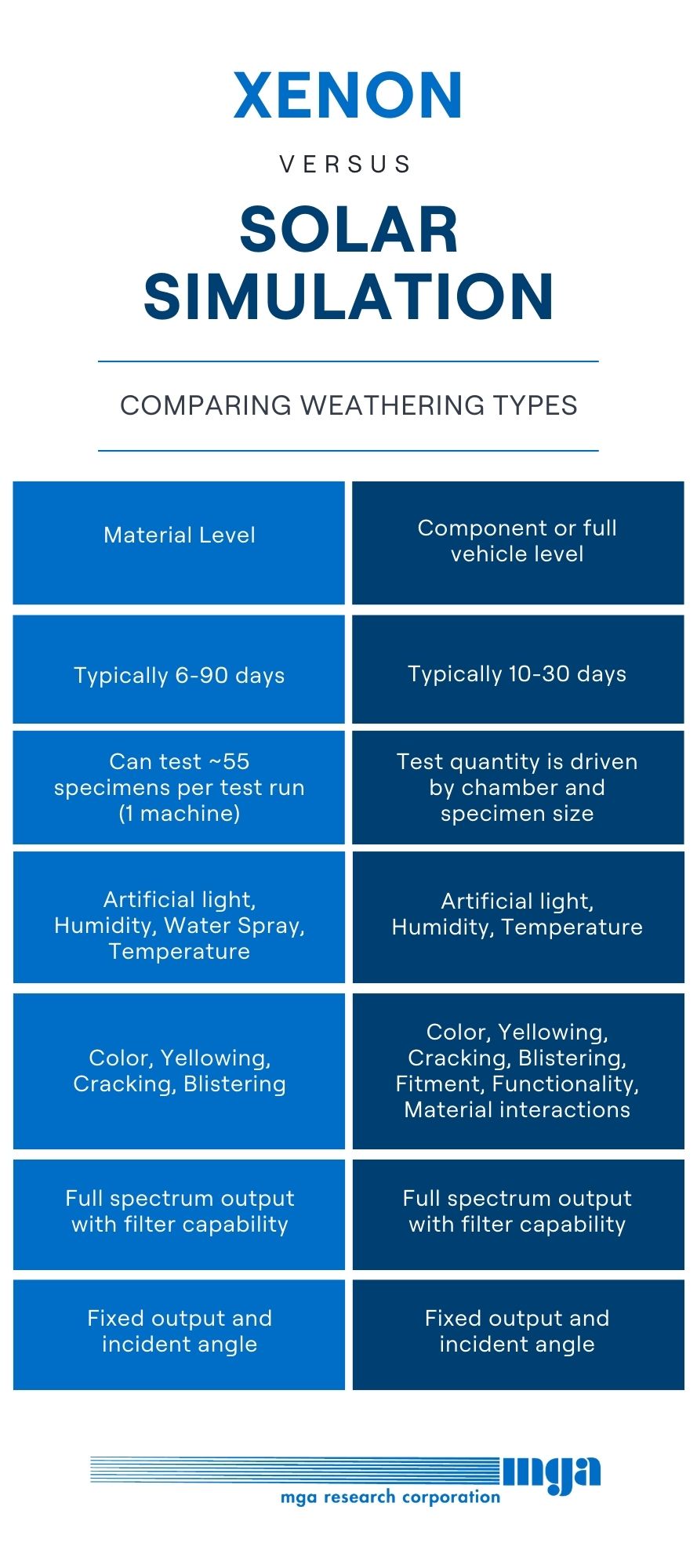
While Xenon Arc testing is commonly used to evaluate individual materials, it does not always capture how materials behave when integrated into a full vehicle assembly.
Solar simulation testing bridges this gap. By evaluating complete components or assemblies under simulated sunlight and heat loads, engineers can observe how materials interact with surrounding structures, adhesives, coatings, and mounting systems.
Applications to Solar Simulation
Accelerated weathering for materials (often called Xenon Arc Testing) is an excellent option for minimizing the risk of premature product failure, screening material options, and quality checks. What it lacks is evaluating how the material will behave with real-world boundary conditions, whether those are climatic or physical.
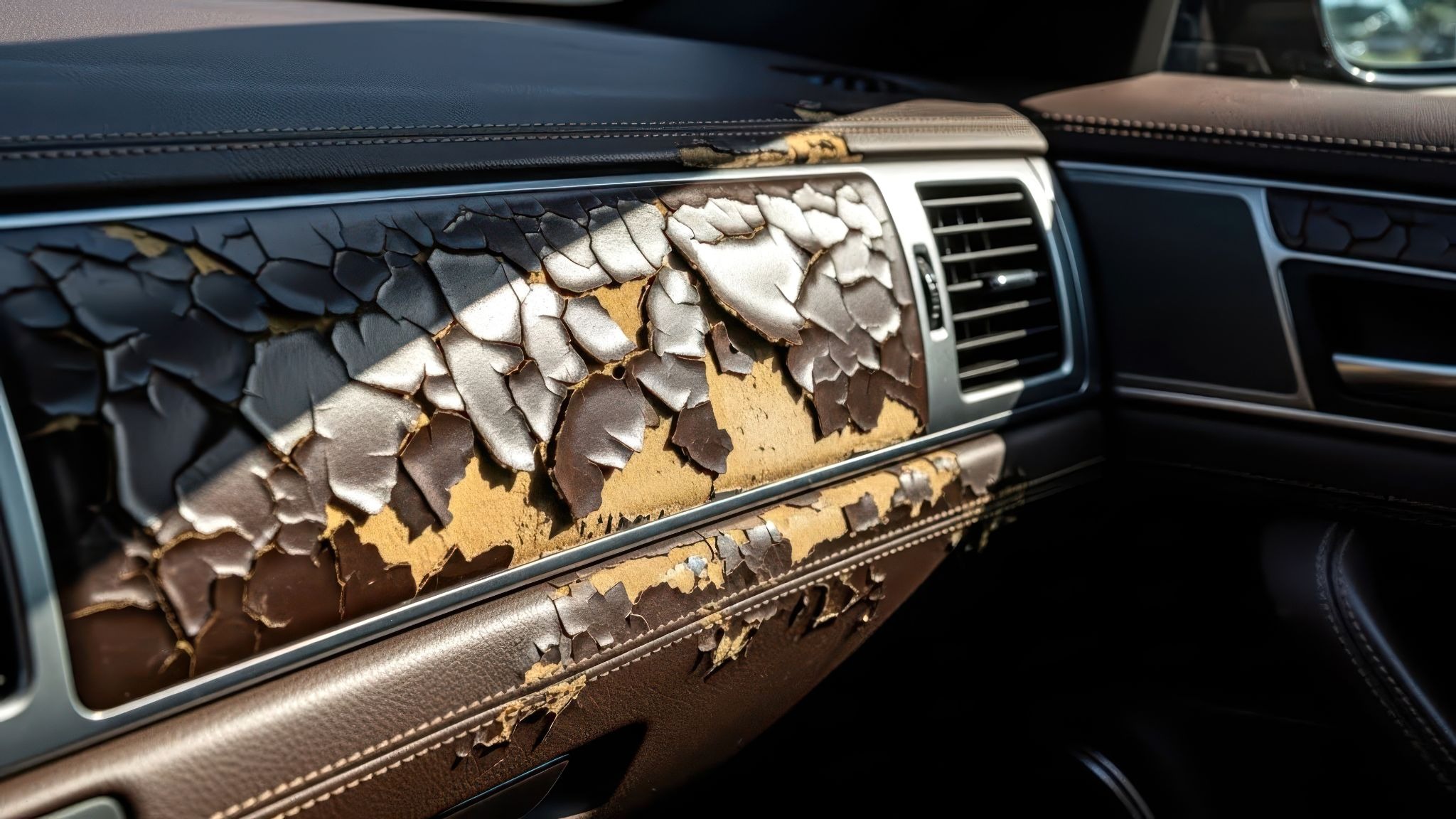
Solar simulation on components or assemblies allows for a better understanding of how materials or products behave together. Common applications for this test are:
- Seats: to test fading, cracking, and surface durability
- Instrument panels: to evaluate warping, discoloration, and material degradation
- Center consoles and door trim: to assess dimensional stability and aesthetic changes
- Exterior trim: to evaluate UV resistance and surface aging
- Head/Tail Lamps: to analyze optical clarity and housing durability
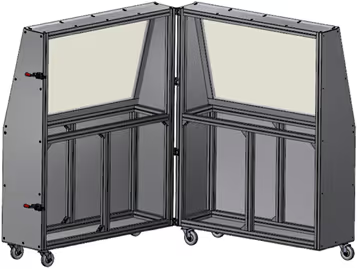
Solar simulation chambers are typically larger chambers that use Metal Halide Global (MHG) lamps or a similar piece of equipment. These lamps allow for not only an accurate simulation of the sun but also apply the heat load you would encounter in nature. Additional fixtures allow for simulation of vehicle interiors, different angles of sunlight, and shaded components.
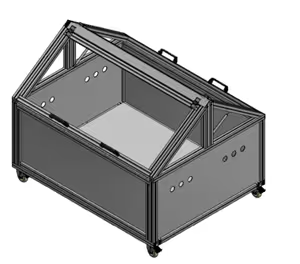
By controlling the environment and irradiance, it is possible to replicate months or even years of testing with a fraction of the time investment. Solar simulation testing mirrors Xenon Arc (coupon level) testing but also includes interaction effects between materials and installation position. Some common evaluations and uses include:
- Cracking
- Fading
- Peeling
- Color Change
- Craftmanship
- Gap, Flush, Fitment
- Airbag Test Preconditioning
- Dimensional Stability
- Photogrammetry/3D Scanning
Solar Simulation Capabilities
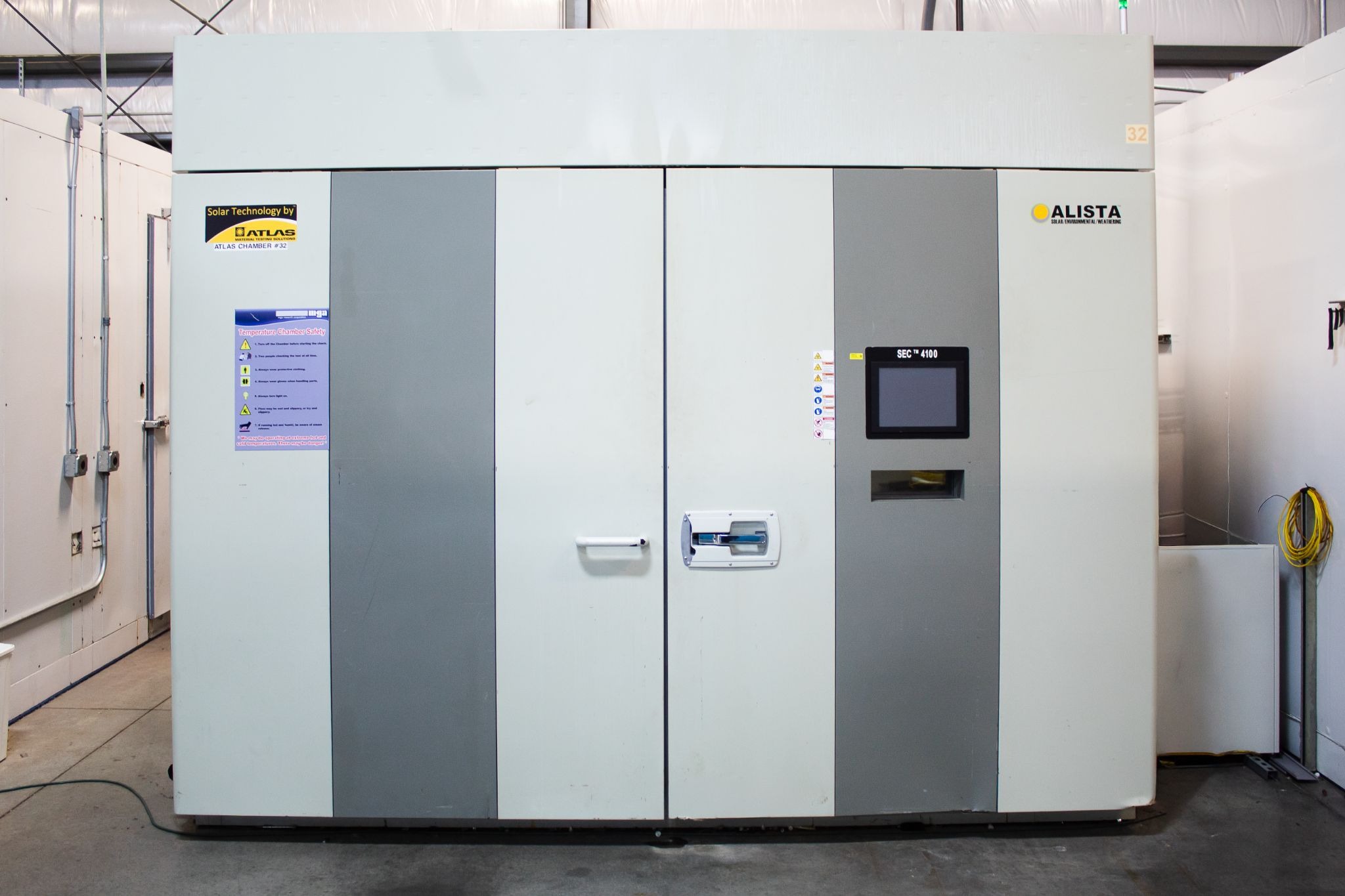
MGA provides Solar Simulation services for a variety of products. With the use of an environmental chamber equipped with an Atlas Solar Array, assemblies as large as SUV front/rear fascia can be evaluated. The chamber can control, with irradiance, from -20°C to 100°C and 20-80% relative humidity. This control allows for accurate day/night cycle simulations as well as a multitude of different climates. Four 4000W MHG bulbs provide a field of irradiance capable of testing assembly-level parts. An adjustable irradiance output of 800-1200 W/m2 allows us to meet a variety of test standards as well as custom profiles.
Common Test Standards
- DIN 75220 – Ageing Automobile Components in Solar Simulation Units
- VDA 230-219 – Ageing Automobile Components in Solar Simulation Units
- BMW PR 306 – Solar Simulation for Trim Parts
- VW TL 82511 – Airbag Module Testing – Sunshine Simulation
- Ford TM-17.00-E-4761 – Resistance to Sunload Warpage
- Nissan 62310NDS00_29 – Solar Test
The MGA Advantage
MGA’s solar simulation capabilities allow for the evaluation of complex geometries and the testing of complete or partial assemblies. With our extended capabilities, we can support all portions of a test plan that may need solar simulation, whether that be measurements pre-/post-test or additional testing on a solar-aged sample. Going beyond solar testing, MGA can support full DVP&Rs at one location allowing for a more optimized testing timeline. MGA will collaborate with customers to provide a robust and comprehensive testing experience.
Planning a material change or validating a new component design? Solar simulation testing can help you identify durability risks early and ensure your materials perform reliably in real-world sunlight conditions.
Explore our automotive solar testing capabilities, or contact our team to discuss your testing requirements.
Ready to Get Started?
Let's discuss your testing needs and how MGA can help. Our team is ready to provide the expertise and solutions you're looking for.