
Understanding DO-160: Aircraft Testing at MGA Mississauga
Feb 24, 2026

Aircraft operating in Canada face some of the world’s most demanding environments, including extreme cold, wide temperature swings, high humidity, and exposure to ice and salt. From commercial airliners flown internationally to bush planes in the Arctic, ensuring aerospace components can perform reliably in these conditions is essential to maintaining safety, reliability, and performance.
RTCA DO‑160 is an important tool used in this industry, as compliance with this standard demonstrates that fixed-wing and rotary-wing aircraft are fit for flight. At MGA Research’s Mississauga facility, we apply our vast experience in aerospace testing to directly support aircraft and equipment manufacturers throughout the development and certification lifecycles.
This article provides a high‑level overview of DO‑160, its importance within the Canadian aircraft certification process, and how MGA supports manufacturers along the way.
What is DO-160 and Why Does it Matter?
RTCA DO‑160, Environmental Conditions and Test Procedures for Airborne Equipment, is the industry-recognized standard used to qualify mechanical and electrical components for operation in environments typically seen by aircraft. This standard defines a wide range of tests that simulate real‑world operating conditions encountered during flight and ground operations, as well as abnormal events such as crash landings.
Multiple groups associated with aircraft manufacturing utilize DO-160 testing, including tier 1 and 2 suppliers, OEMs, certification authorities, and regulatory bodies such as Transport Canada.
For Canadian manufacturers, DO‑160 qualification provides a consistent and industry-accepted guideline for demonstrating their product’s flightworthiness, crucial for supporting integration with OEM platforms or full airframe certifications. DO‑160 testing helps ensure that aircraft:
- Perform reliably throughout their service lives
- Maintain safety under both normal and extreme conditions
- Withstand environmental stresses such as temperature, vibration, and exposure to fluids
- Meet regulatory requirements for certification and airworthiness
MGA plays a role in evaluating the performance of each component tested, delivering accurate and repeatable testing in all stages of an aircraft’s development. While working directly with Transport Canada delegates, we understand how to apply DO-160 test procedures, assuring that all parts are tested correctly and fairly.
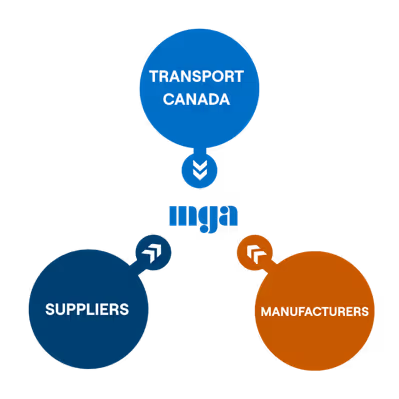
The Mississauga facility is unique as it offers a centralized location for performing DO-160 testing, with the capability to support a significant portion of the test modes. This comprehensive approach improves efficiency and minimizes downtime throughout the testing process.
Considering DO‑160 testing for your program?MGA’s Mississauga facility supports a wide range of DO‑160 environmental and avionics testing.👉 Explore our testing capabilities
DO-160 Testing Breakdown
MGA Research supports a broad range of DO‑160 test modes, supporting both Canadian and international aerospace programs. The test modes that are directly supported out of the Mississauga facility can be broken down into the following categories:
Environmental Testing
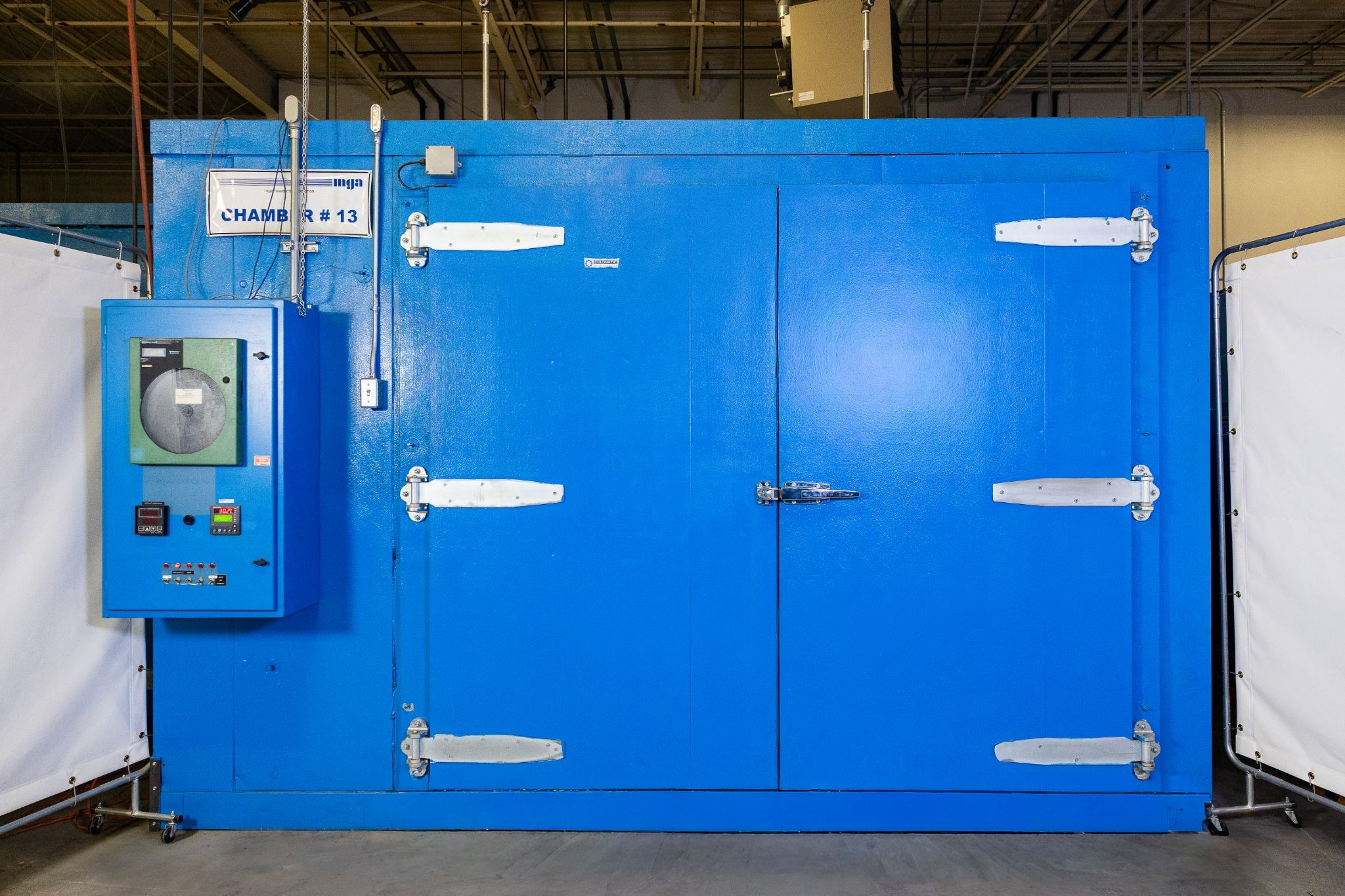
Environmental testing simulates atmospheric and climatic conditions encountered during aircraft operation on the ground and in flight. These tests verify that equipment performs reliably across temperature, altitude, and moisture extremes, contributing to consistent system operation and passenger comfort.
Section 4 – Temperature and Altitude
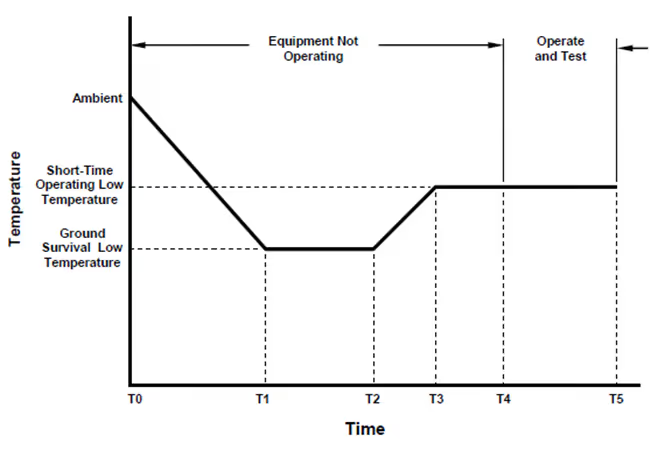
Description: Verifies component and system performance under high and low temperature extremes and reduced atmospheric pressure found when flying at cruising altitude. The equipment is placed in environmental chambers where temperature and pressure are controlled to simulate flight and ground conditions. Severe scenarios are replicated, such as decompression and loss of cooling.
Section 5 – Temperature Variation
Description: Examines how equipment responds to rapid temperature changes and repeated thermal cycling. Components are exposed to alternating hot and cold conditions to identify issues such as cracking, loosening, or decreased mechanical performance caused by thermal stresses.
Section 6 – Humidity
Description: Evaluates the effects of extended exposure to moisture on materials, components, and full assemblies. Test articles are subjected to high‑humidity conditions in environmental chambers over extended periods to assess long‑term reliability and mechanical integrity.
Mechanical Testing
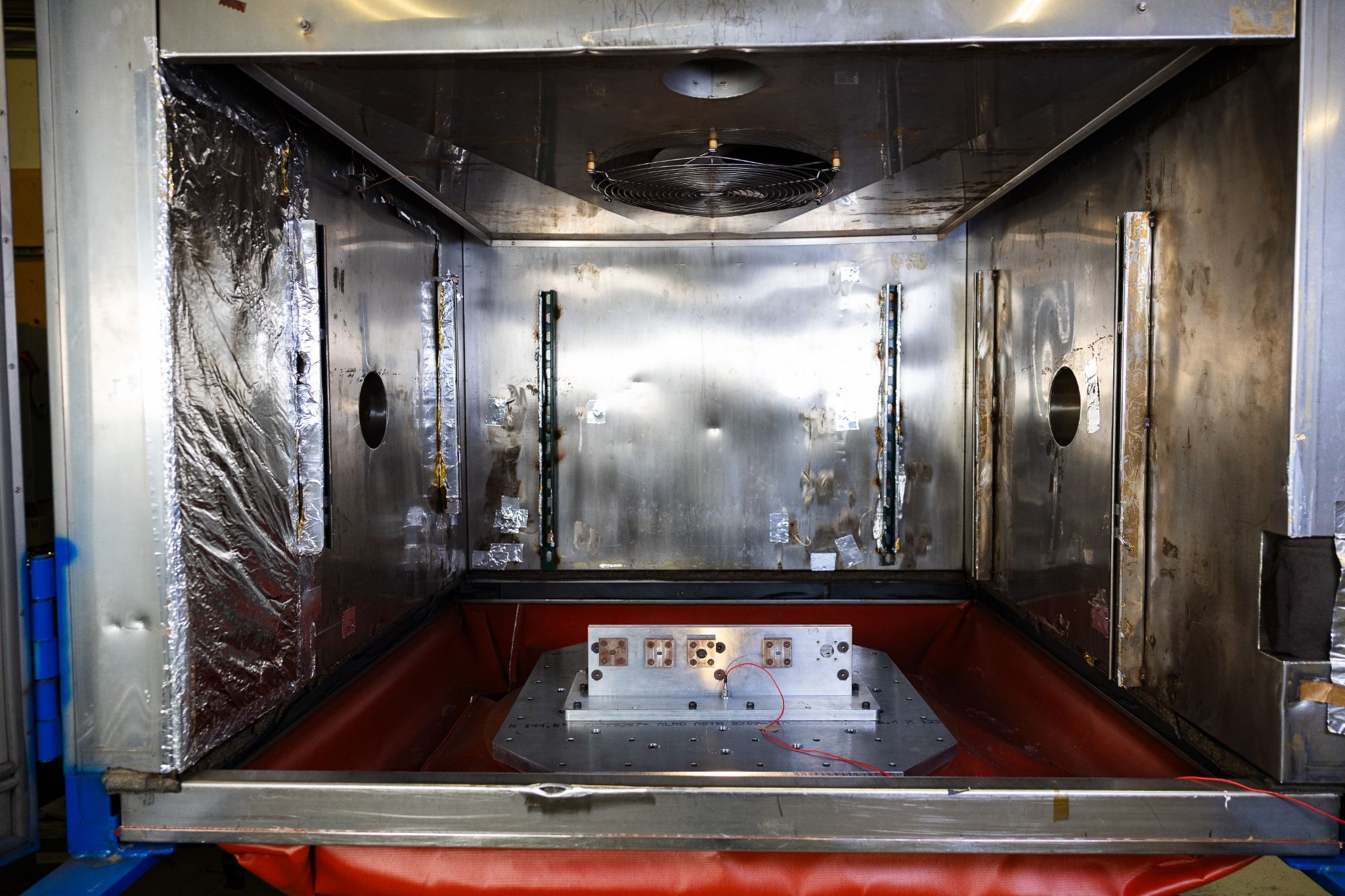
Mechanical testing ensures equipment can withstand prolonged and sudden physical stresses encountered during normal operation and abnormal events without loss of function. These tests help prevent mechanical failures that could affect aircraft reliability and delays in passenger travel.
Section 7 – Operational Shock
Description: Verifies that equipment continues to function following sudden mechanical shocks, such as those caused by landing impacts, turbulence, or ground handling events. Shock pulses are applied using a vibration table to simulate these conditions, after which the structural integrity of the component is evaluated.
Section 8 – Vibration
Description: Evaluates component and assembly durability and functionality after exposed to vibration profiles. Equipment is mounted to shaker tables that reproduce flight conditions including normal operation, endurance levels, and abnormal situations such as blade loss.
Environmental Harshness Testing
Similar to standard environmental testing, this section addresses exposure to more severe elements commonly encountered in Canadian and global operating environments. These tests help ensure equipment remains functional despite water, particulates, and corrosive agents.
Section 10 – Waterproofness
Description: Verifies resistance to water ingress from condensation, dripping, or sprays. Equipment is exposed to defined water flow and spray patterns to confirm that seals, enclosures, and drainage features perform as intended.
Section 11 – Fluid Susceptibility
Description: Verifies that materials maintain their structural and functional integrity after exposure to aviation fluids such as fuels, oils, hydraulic fluids, cleaning chemicals, and de-icing agents commonly used during Canadian winters. Interior materials are also tested against fluid spills, ensuring they withstand accidental spills of in-flight beverages. Samples are exposed to a specific fluid, soaked in various environmental conditions, and evaluated for functionality or appearance. Successful testing helps prevent leaks, failures, or material degradation that could lead to maintenance issues or in‑service disruptions affecting travelers.
Section 12 – Sand and Dust
Description: Assesses an assembly’s ability to resist particulate ingress, abrasion, and contamination. Components are exposed to controlled airflow containing sand or dust to simulate operation in dusty or remote environments.
Materials Testing
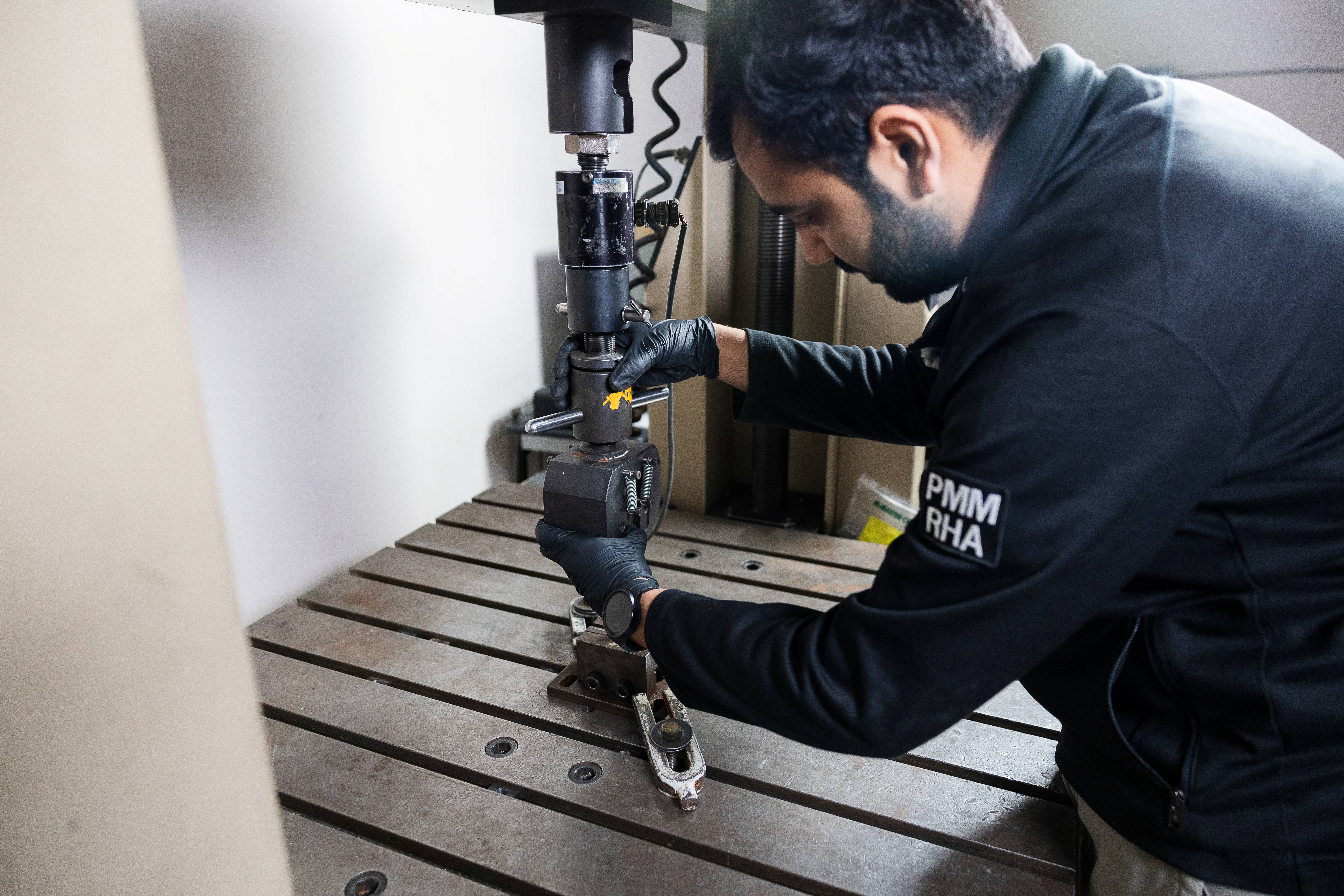
Materials testing evaluates how aircraft components and assemblies respond to various hazards such as chemical exposure and fire. These tests help ensure that materials do not degrade, ignite, or release harmful toxins that could compromise traveler safety or cabin conditions.
Section 14 – Salt Spray
Description: Evaluates corrosion resistance when equipment is exposed to saline environments, including coastal operations and winter conditions involving de‑icing salts. Test articles are placed in a controlled salt fog chamber to accelerate corrosion mechanisms.
Section 26 – Fire and Flammability
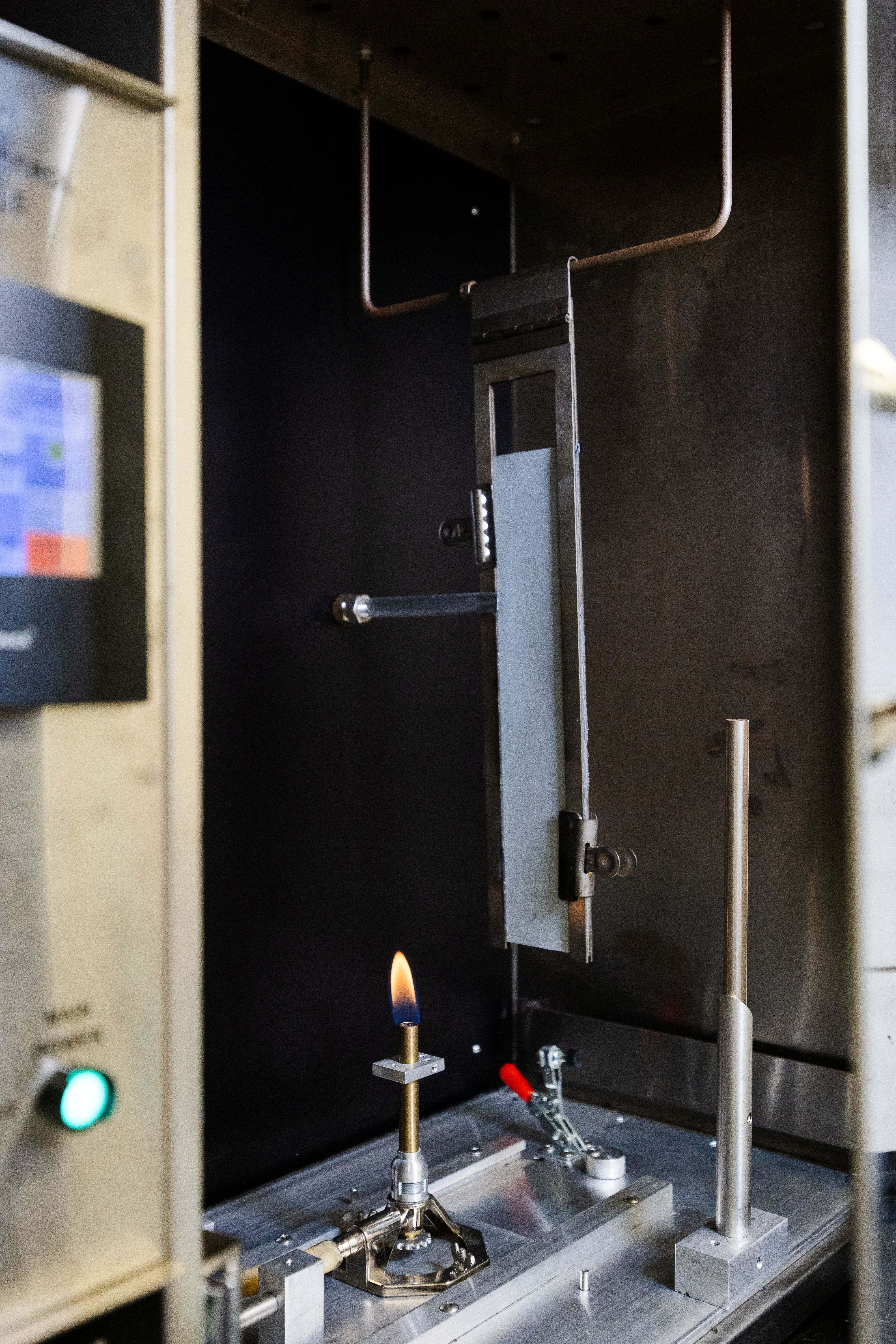
Description: Evaluates how materials behave when exposed to flame, including their tendency to ignite, self‑extinguish, or propagate fire. Test specimens are subjected to flame sources to measure burn length and time. These tests support passenger safety and survivability, helping to minimize the severity of a fire event.
Moving Forward
DO‑160 is one of the most widely referenced and utilized standards when it comes to supporting safe and reliable operation of aircraft in Canada. At our Mississauga, Ontario facility, MGA supports Canadian aerospace programs to test their components alongside Transport Canada delegates.
This article serves as an introduction to DO‑160 testing. As a part of our Inside MGA Canada series, future articles will explore various DO‑160 test modes in greater detail, describing the testing process from start to finish.
Questions We Will Answer:
- What testing methods help identify material fatigue, cracking, or delamination in aerospace composites?
- Which industries depend on reliable cold‑weather performance testing to ensure safety and compliance?
- How does mechanical testing support durability, reliability, and lifecycle validation?
If you are interested in learning more about our capabilities, fill out our contact form today! To stay up to date with future articles, sign up for our newsletter.
Ready to Get Started?
Let's discuss your testing needs and how MGA can help. Our team is ready to provide the expertise and solutions you're looking for.