
Delethalization Testing: Data That Supports Safer Aircraft Interiors
Mar 3, 2026
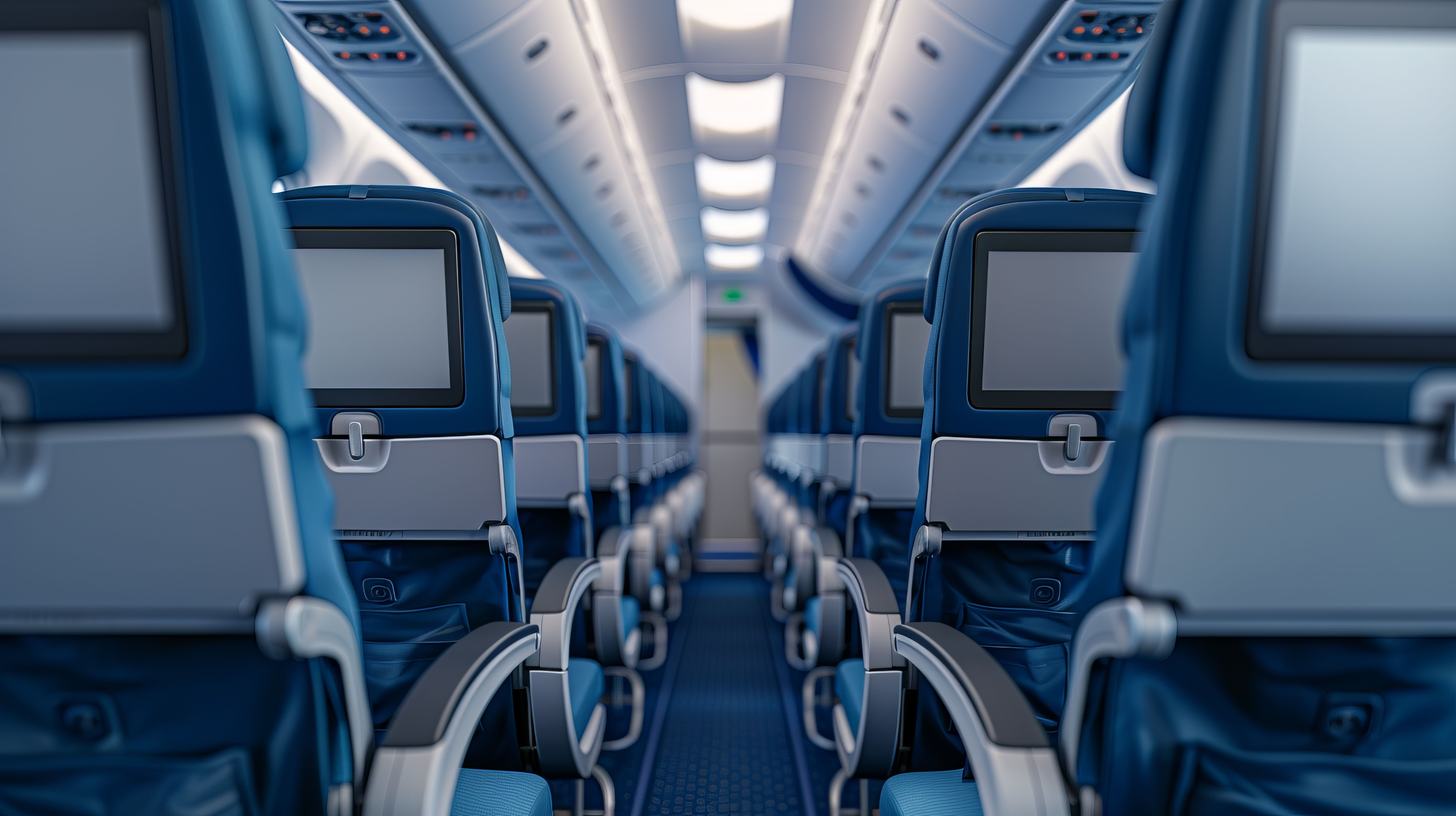
In a potentially survivable aircraft crash, seat attachment to the fuselage and restraints are only part of the safety story. The next critical question is what happens if an occupant’s head contacts an interior component—and whether that contact could result in serious or fatal injury.
Delethalization testing plays a vital role in aircraft interior safety by evaluating how interior components respond to occupant head impact events. These tests focus on energy absorption, surface integrity, and injury-related metrics to help manufacturers understand whether interior designs perform as intended during crash conditions.
By generating high-quality, repeatable data, delethalization testing supports informed design decisions and helps customers demonstrate alignment with applicable regulatory and industry requirements.
Why Delethalization Testing Matters
Even in well-restrained crash scenarios, occupants may strike interior features such as sidewalls, monuments, seat backs, or partitions. Delethalization testing helps answer a critical design question: If contact occurs, does the interior component manage energy effectively, or does it present an unacceptable injury risk?
The data produced through delethalization testing allows engineers to:
- Evaluate injury risk associated with head impact
- Compare materials, geometries, and mounting strategies
- Identify hazardous deformation, sharp edges, or structural failures
- Refine designs early and reduce downstream program risk
Test Methods Used to Evaluate Interior Safety Performance
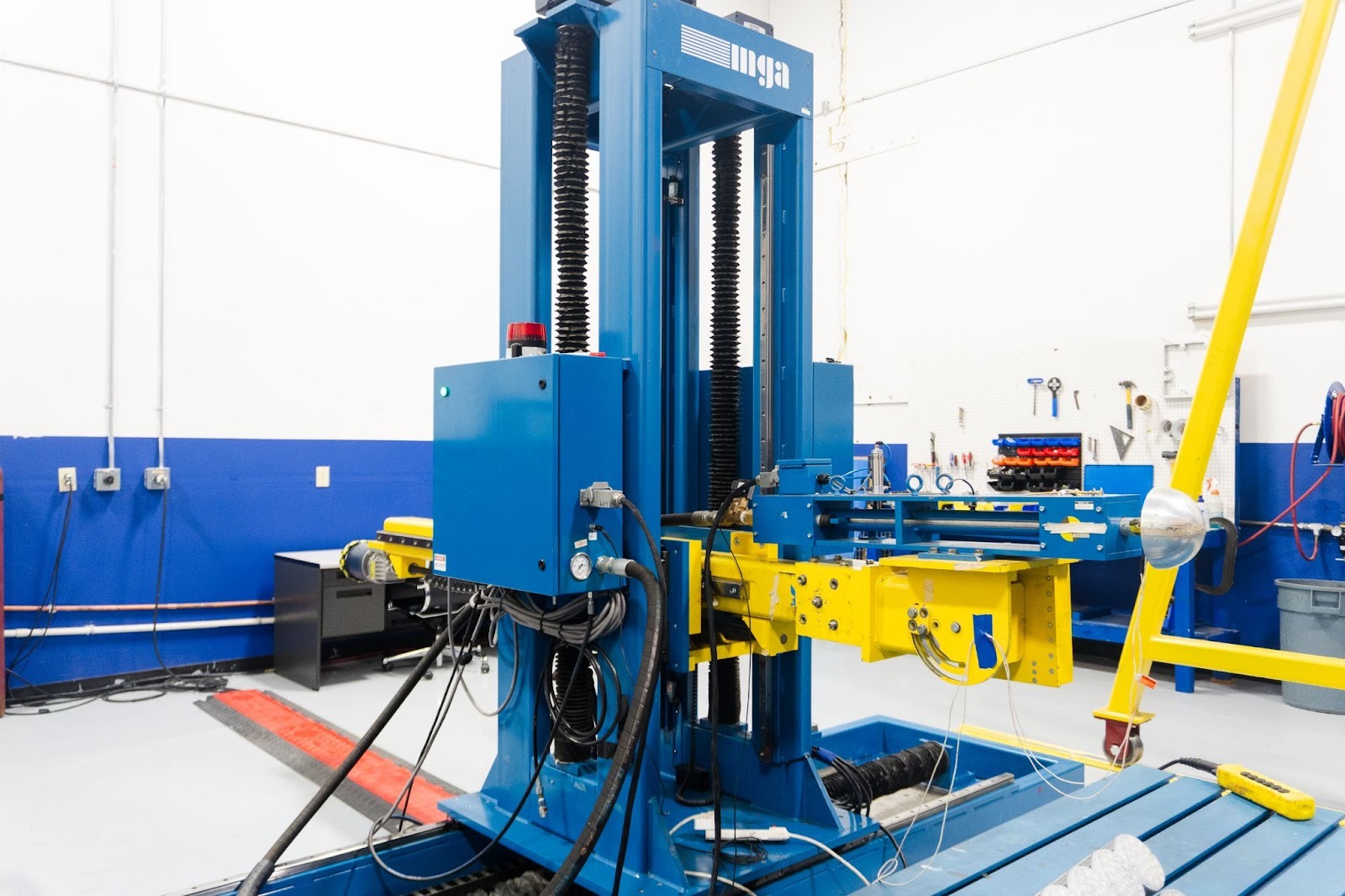
MGA Research Corporation conducts delethalization testing using controlled laboratory methods designed to replicate real-world impact dynamics and support program-specific requirements.
Inverted Pendulum Testing
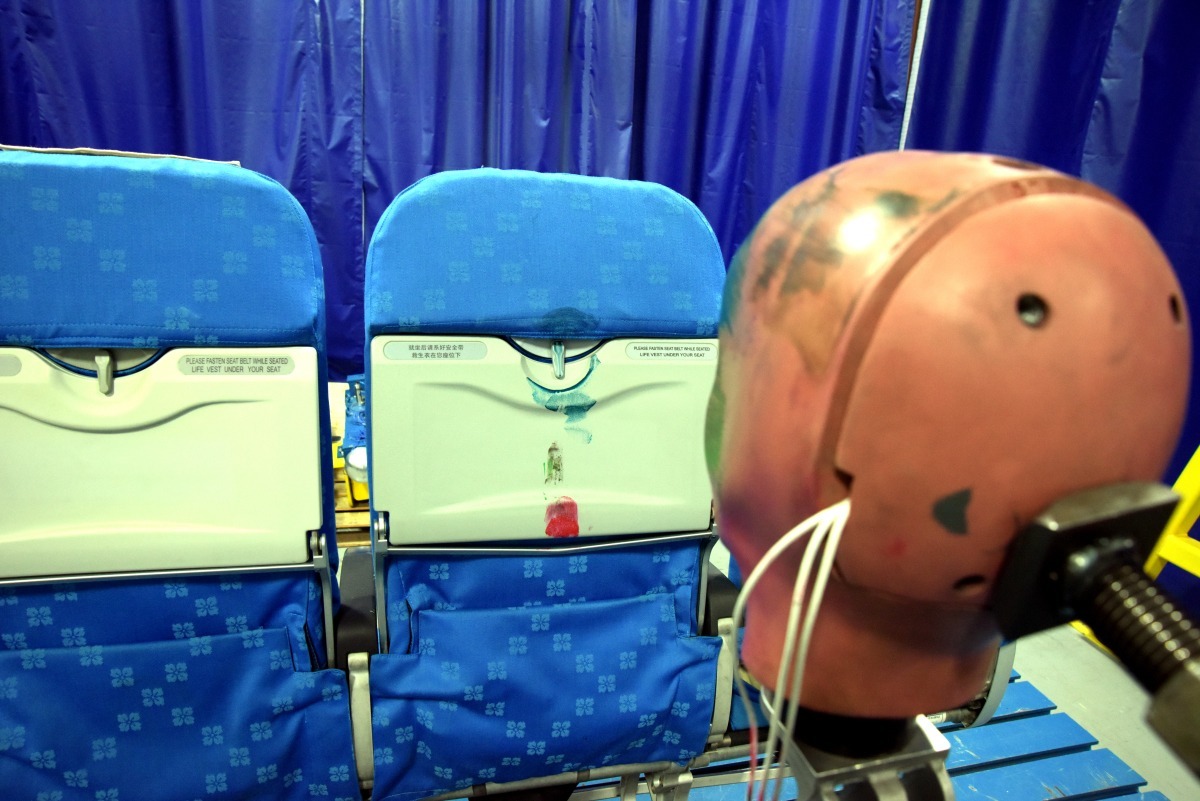
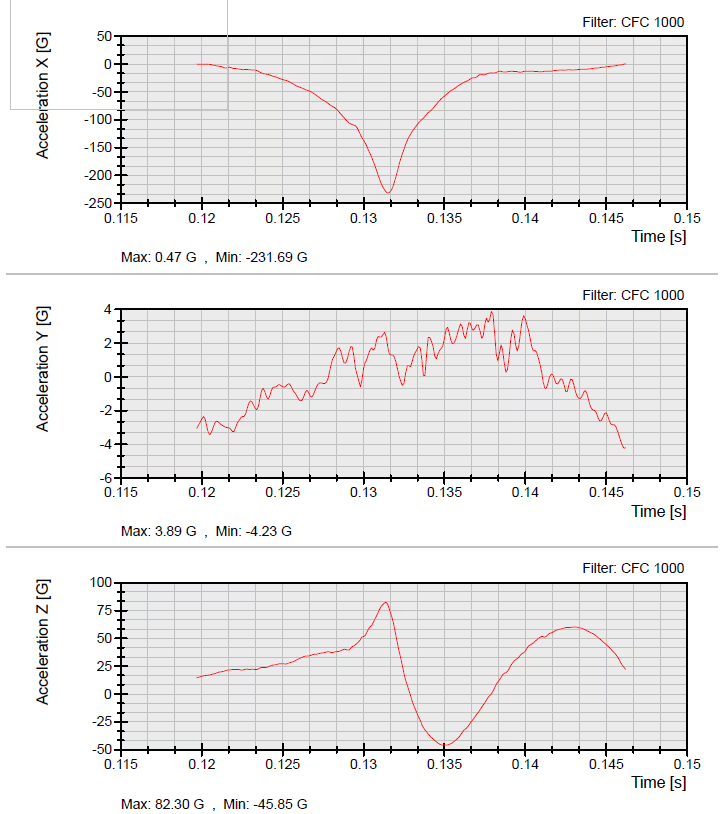
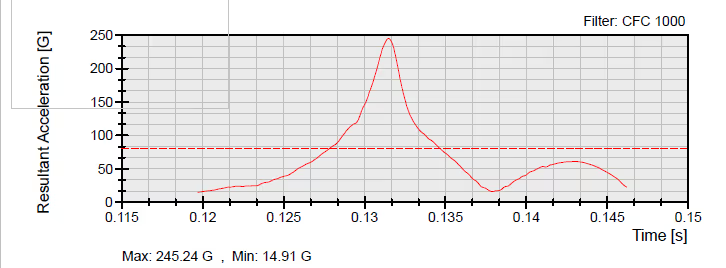
The inverted pendulum method is commonly used to evaluate head impact response and collect detailed performance data, including:
- Impact velocity
- Resultant acceleration (G-force)
- Duration of applied G-forces
- Post-impact visual and tactile condition of the test article
This method provides highly repeatable results and is well-suited for assessing a wide range of interior components and materials.
Additional Test Methods
Depending on the application and program needs, MGA may also perform:
- Free-motion headform testing
- Drop testing
- Three point bend testing on IFE systems
- Linear impact testing
These complementary methods allow customers to evaluate interior performance across different impact scenarios and design configurations.
Key Regulations and Standards
The test methods listed above are in line with the following FAA / EASA regulations and industry standards:
- 14 CFR §25.562 / §25.785
- SAE AS8049
- AC 25.562-1B
- SAE ARP 6330
- SAE ARP 6448
Key Metrics That Inform Design Decisions
Delethalization testing generates a comprehensive data set that helps customers assess injury risk and material behavior, including:
- Head Injury Criterion (HIC): A key indicator correlated to the likelihood of head injury
- Peak acceleration: Reflects the severity of deceleration experienced during impact
- Contact force: Helps evaluate load transfer between the occupant and the structure
- Post-impact condition: Visual and tactile assessment to identify sharp edges, cracks, or hazardous deformation
High-speed video is paired with test data to capture millisecond-by-millisecond deformation, providing valuable insight into how and where energy is absorbed during impact.
Supporting Programs from Design for Your Next Program
Delethalization testing is commonly performed during:
- New aircraft interior development
- Interior refresh or retrofit programs
- Evaluation of novel materials or geometries
- Improvements of designs based on sled Head Injury Criteria (row-to-row) testing
MGA Research Corporation works closely with customers to tailor test setups, fixturing, and data outputs to their specific program goals. With our experienced fabrication team in New York and Michigan, our engineers work with you to bring your unique solutions to life. The resulting data supports engineering analysis, internal design reviews, and documentation efforts as customers work toward meeting applicable regulatory and industry requirements.
A Data-Driven Approach to Safer Interiors
An optimal delethalization outcome is demonstrated by injury metrics within acceptable thresholds and an interior component that maintains smooth, non-hazardous surfaces after impact. Achieving this requires reliable data and experienced interpretation.
MGA combines robust testing capabilities with engineering insight to help customers better understand interior performance, refine designs, and move forward with confidence.
At MGA, we work with our customers to deliver clear, actionable data that supports safer aircraft interiors and informed decision-making at every stage of development. For more information, contact us at www.mgaresearch.com/contact or visit our website for more information.
Ready to Get Started?
Let's discuss your testing needs and how MGA can help. Our team is ready to provide the expertise and solutions you're looking for.