
Road Load Data Acquisition Services for Vehicle Durability and Validation
Jul 7, 2026
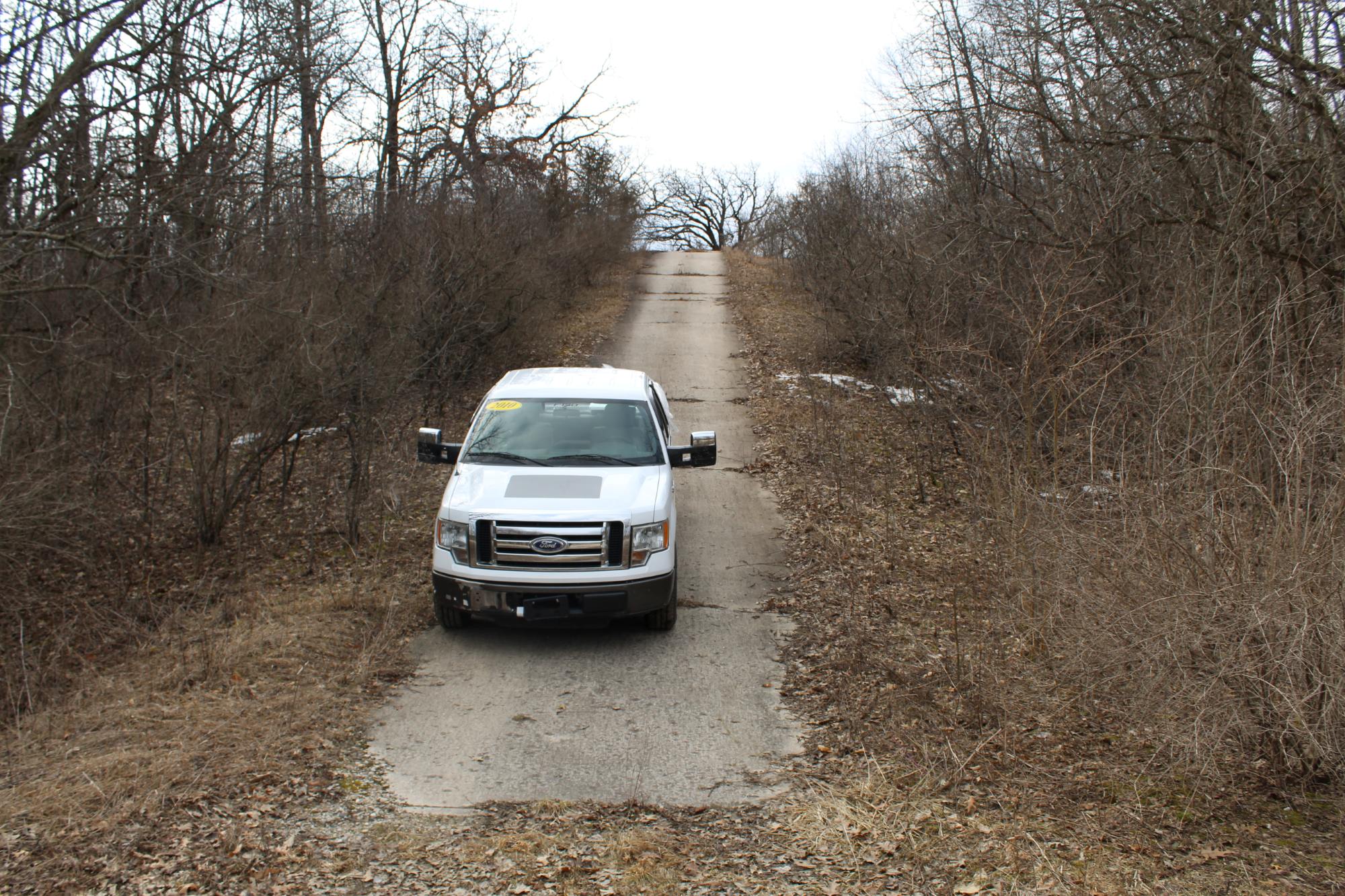
As consumer needs change and industry trends evolve, OEMs are continuously striving to offer additional, high-quality features without increasing cost. This creates a perpetual cycle of development and innovation that can only come to market after thorough review and validation.
What is Road Load Data Acquisition (RLDA)?
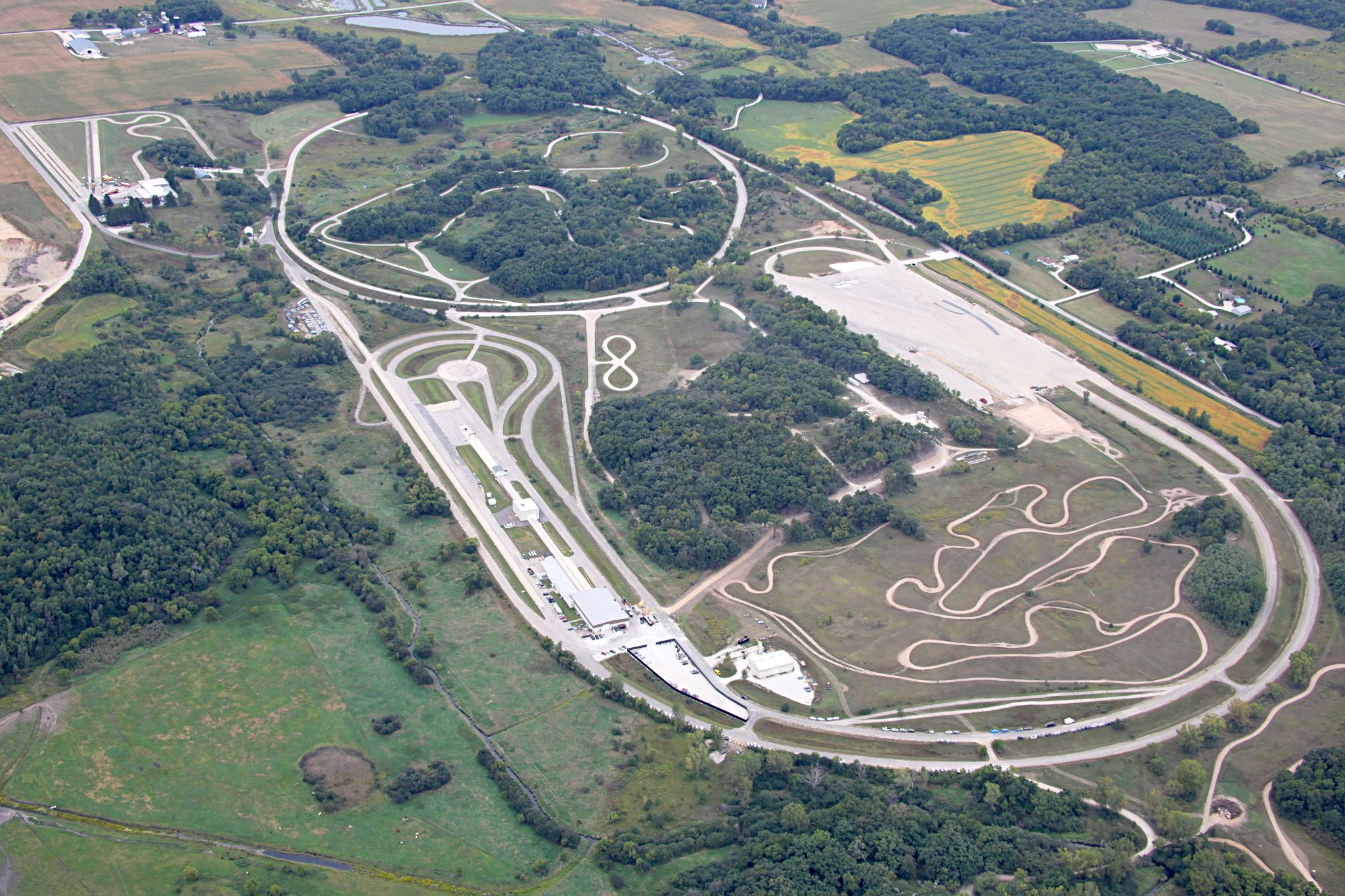
Road Load Data Acquisition (RLDA) is at the forefront of this comprehensive process, which relies on data collection and analysis to verify design integrity. RLDA is the process by which a vehicle is instrumented with a multitude of sensors, and driven on a defined proving grounds or test track. Data is then captured and analyzed to understand real world behavior.
Why Road Load Data Acquisition is Important
Defining real-life operating conditions is critical in establishing the longevity of a vehicle and its components. It is especially important for vehicle development as it allows for repeatable and efficient testing of new designs. Other use cases for RLDA include assisting in failure analysis, computer model verification or creation, and component change investigation (A to B comparison).
How MGA Supports RLDA Projects
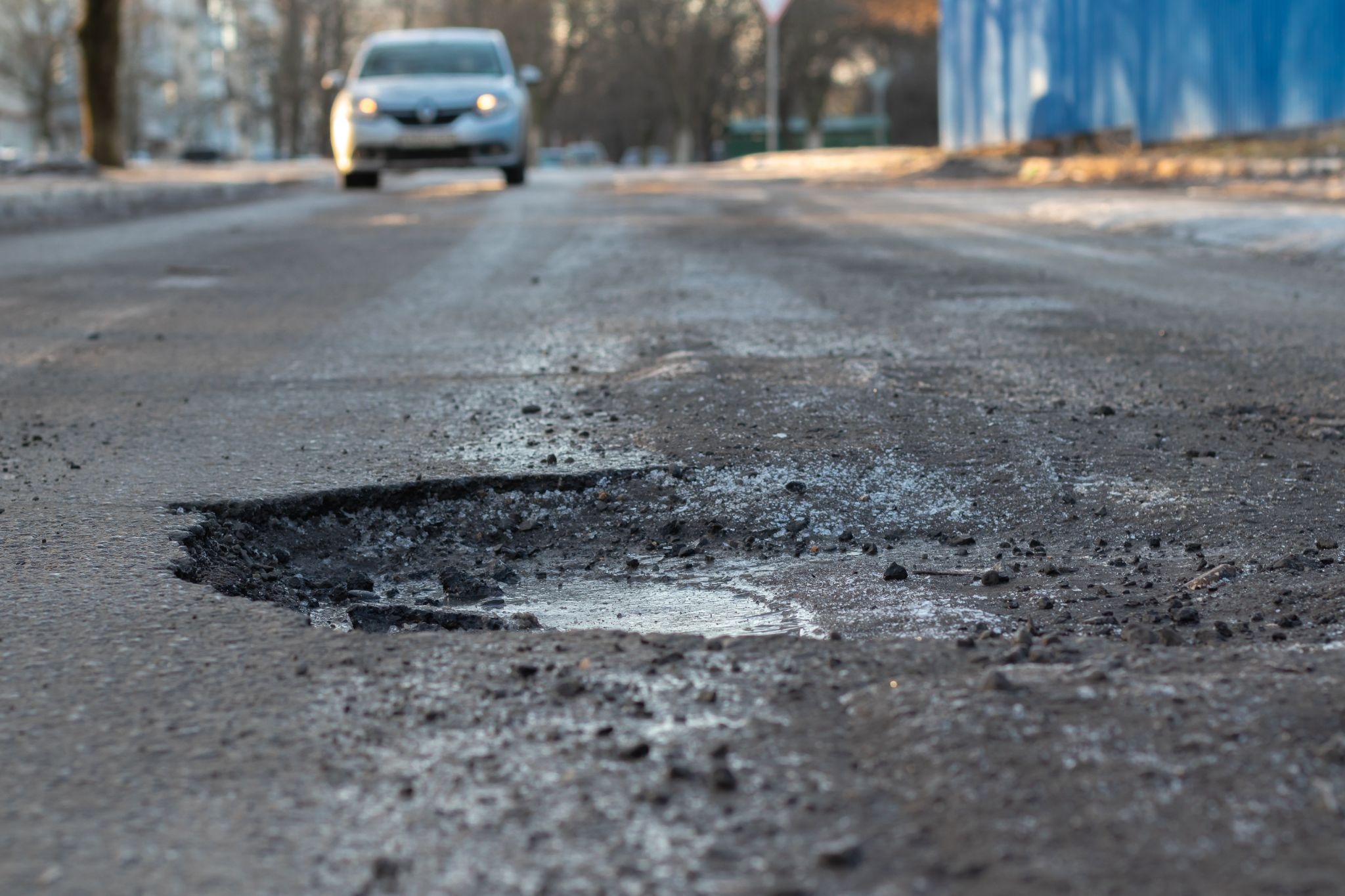
MGA has been collecting data and performing off-site RLDA for over 15 years. In that time, our team has developed a national reputation for high-quality data collection services. MGA has conducted numerous projects on both full vehicles and individual components, including chassis, frame, engine, exhaust, seating, interiors, steering, and suspension. MGA also has extensive data processing knowledge, capable of analysis and refinement once it has been captured. With the help of nCode Glyphworks, our engineers can provide data editing techniques, such as data reduction through damage analysis, block cycle calculation, and proving ground correlation, along with many other data manipulation methodologies.
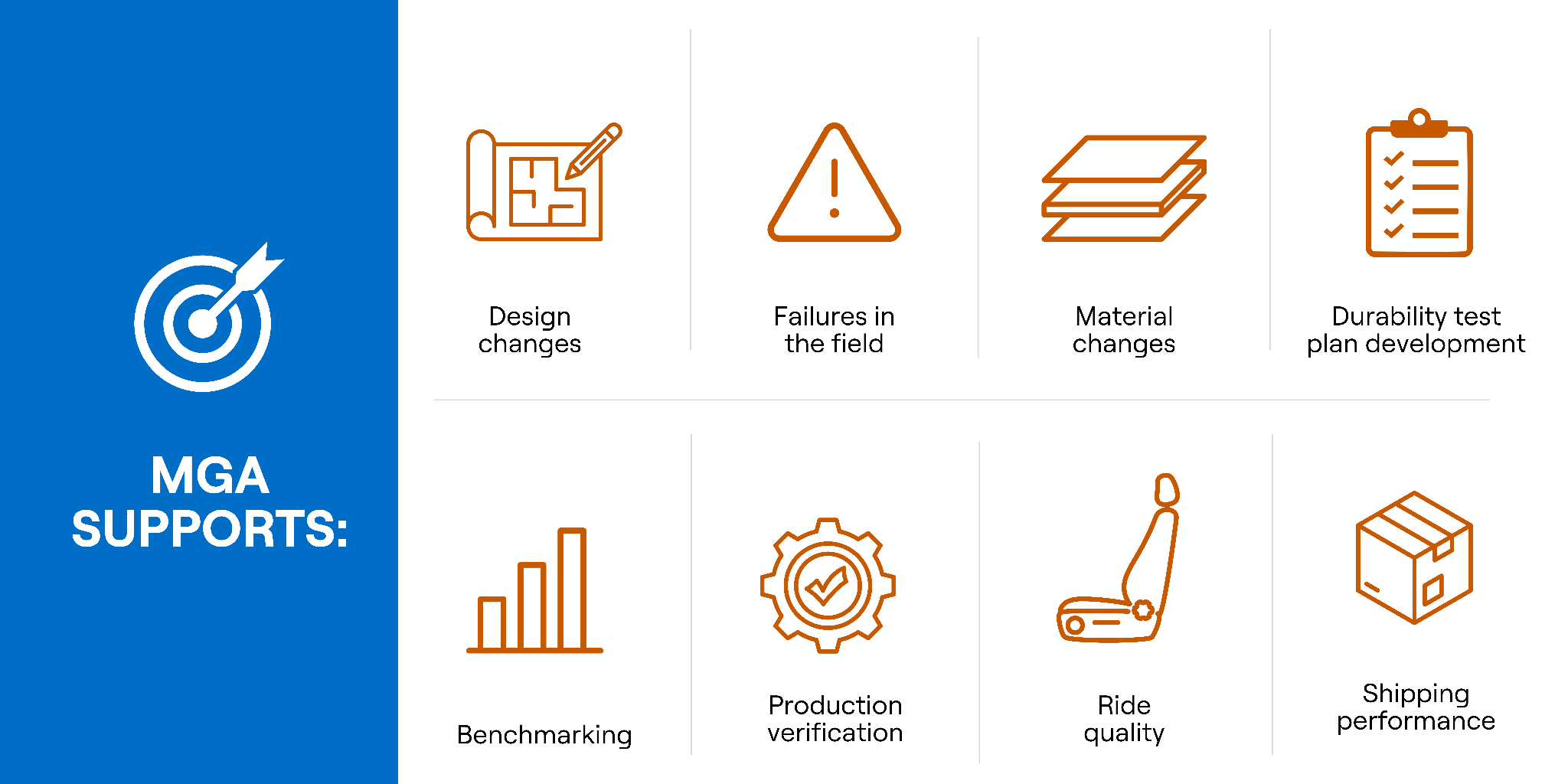
MGA supports:
- Design changes
- Failures in the field
- Material changes
- Durability test plan development
- Benchmarking
- Production verification
- Ride quality
- Shipping performance
Data Processing and Durability Test Development
Once RLDA is performed, MGA leverages decades of experience to organize and process the recordings to suit a wide range of applications. Raw data can be converted into a customer's desired format, compared to current or previous findings, or tailored to support several different test types. Datasets can be analyzed as a whole, or individual recordings combed through separately to achieve a large array of outcomes.
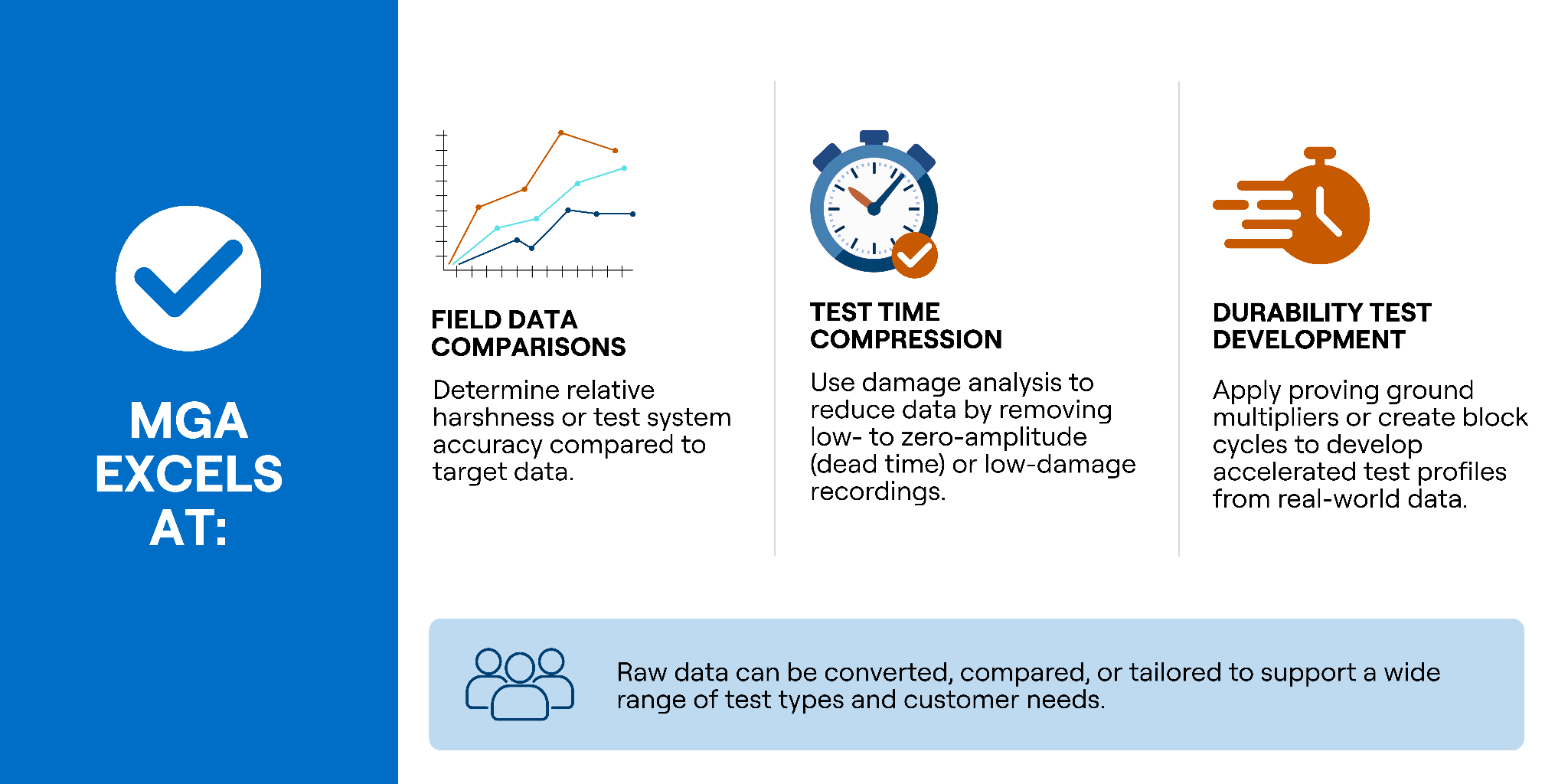
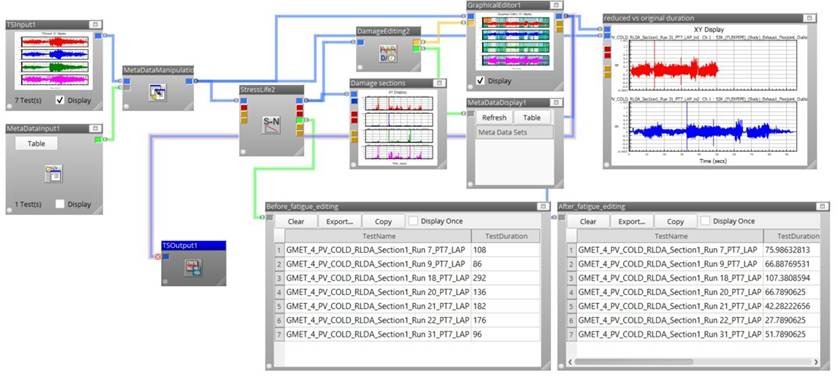
MGA excels in preparing datasets optimized for laboratory testing. One of the most common techniques is pseudo-damage analysis. With nCode Glyphworks, MGA can perform a broad range of operations, including:
- Field data comparisons
- Test time compression
- Durability test development
When comparing profiles, MGA can determine the relative harshness of one recording compared with another, or the accuracy of a test system’s response relative to the target. Damage analysis often results in data reduction, allowing individual profiles (road surfaces on the proving grounds) to be shortened by removing low- to zero-amplitude sections (dead time) or eliminated altogether if the damage output is low.
With proving ground multipliers, MGA can develop an accelerated test profile from an initial dataset of hundreds of hours of data, condensing it into just a few days. If real-time simulation is not the preferred test method, our team can also create block cycles from any dataset.
Instrumentation and Data Collection Capabilities
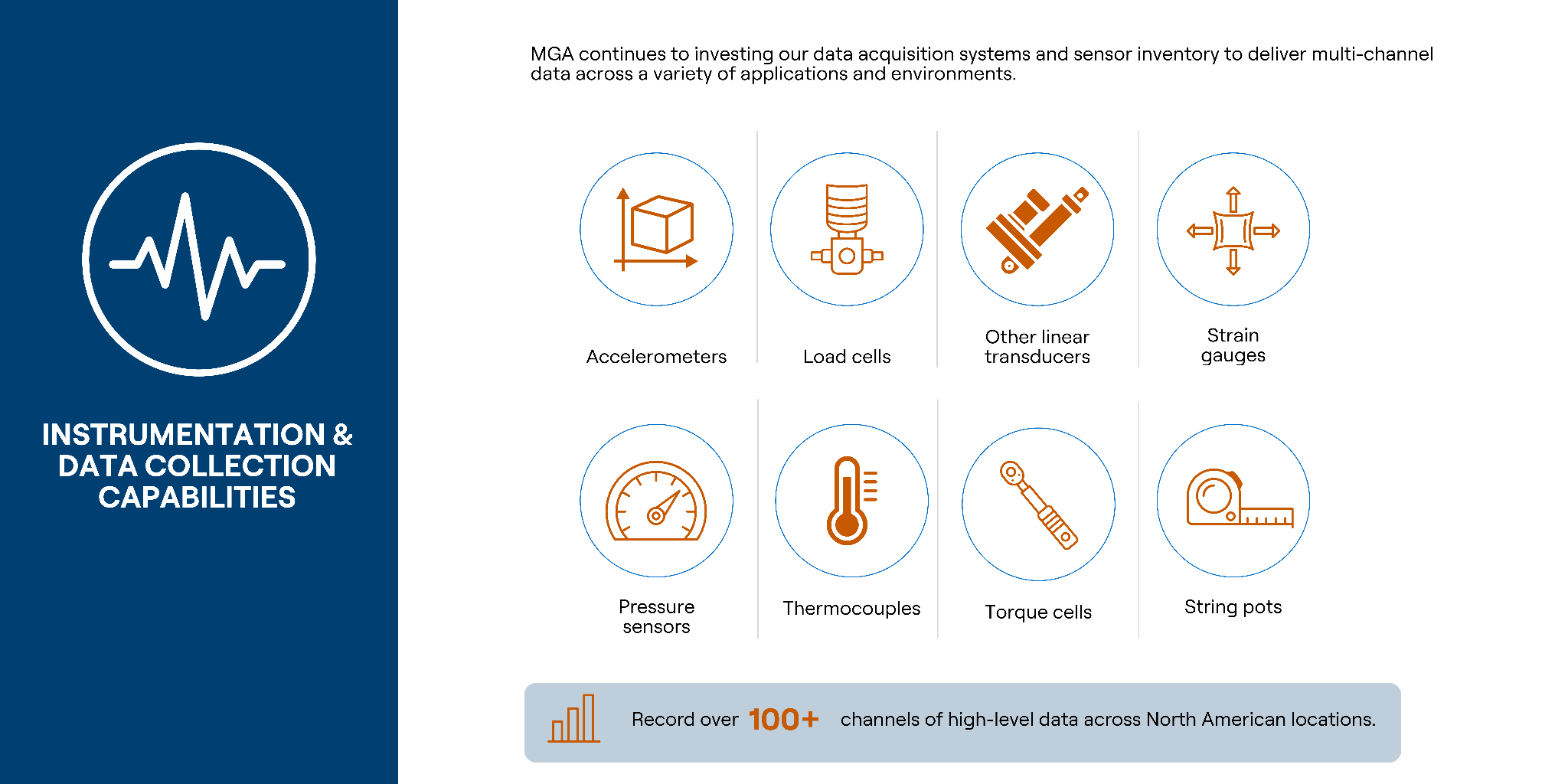
Over the last decade, MGA has expanded its data acquisition capabilities by adding Data Acquisition (DAQ) channels and increasing sensor inventory across Michigan and other North American locations. Currently, MGA has the ability to record over 100 channels of high-level data, including:
- Accelerometers
- Load cells
- String pots
- Other linear transducers
- Strain gauges
- Pressure sensors
- Thermocouples
- Torque cells
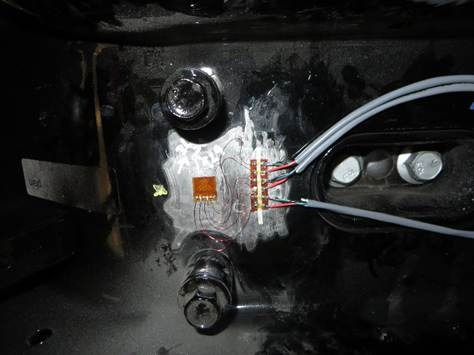
Our engineers are also capable of collecting CAN, OBD, GPS, and wheel force transducers. We have experience with custom instruments, creating innovative ways to record engine or cab mount load, steering or suspension load, frame twist, and steering angle. Vehicle or component instrumentation services are adaptable to project requirements, available either at the customer's desired site or at MGA’s lab. Furthermore, MGA’s familiarity with proving ground operations makes us the perfect partner to schedule, manage, and coordinate test track visits when needed.
The MGA Advantage
RLDA is an integral part of the vehicle development process, helping define vehicle behavior in real-world applications. Whether it’s block cycle development for cyclic fatigue or data reduction for MAST durability, MGA has specialized instrumentation and robust data systems to support these activities. We’re also well-versed in test plan development, with the ability to help define project goals and create tangible solutions. Coupled with vast data collection and analysis experience, MGA is perfectly equipped for your next project!
Contact our team to discuss your upcoming program and learn how MGA can support your next vehicle or component development effort.
Ready to Get Started?
Let's discuss your testing needs and how MGA can help. Our team is ready to provide the expertise and solutions you're looking for.