
Vehicle Safety Testing
Understanding FMVSS 103 and FMVSS 104: What Engineers Need to Know
Nov 10, 2026
In the early 1990s, MGA saw an opportunity to become a trusted compliance partner for manufacturers navigating evolving requirements and safety standards. Since then, MGA has held NHTSA test contracts at several facility locations and continues to be a destination for reliable support.
This proven support continues at our facility in Troy, Michigan, where NHTSA compliance testing for FMVSS 103 and FMVSS 104 is conducted. As a continuation of our previously published series, we will take a closer look at how MGA supports FMVSS 103 and FMVSS 104 testing, relevant equipment standards, and why this testing is important for manufacturers.
Why is the windshield system’s performance critical?
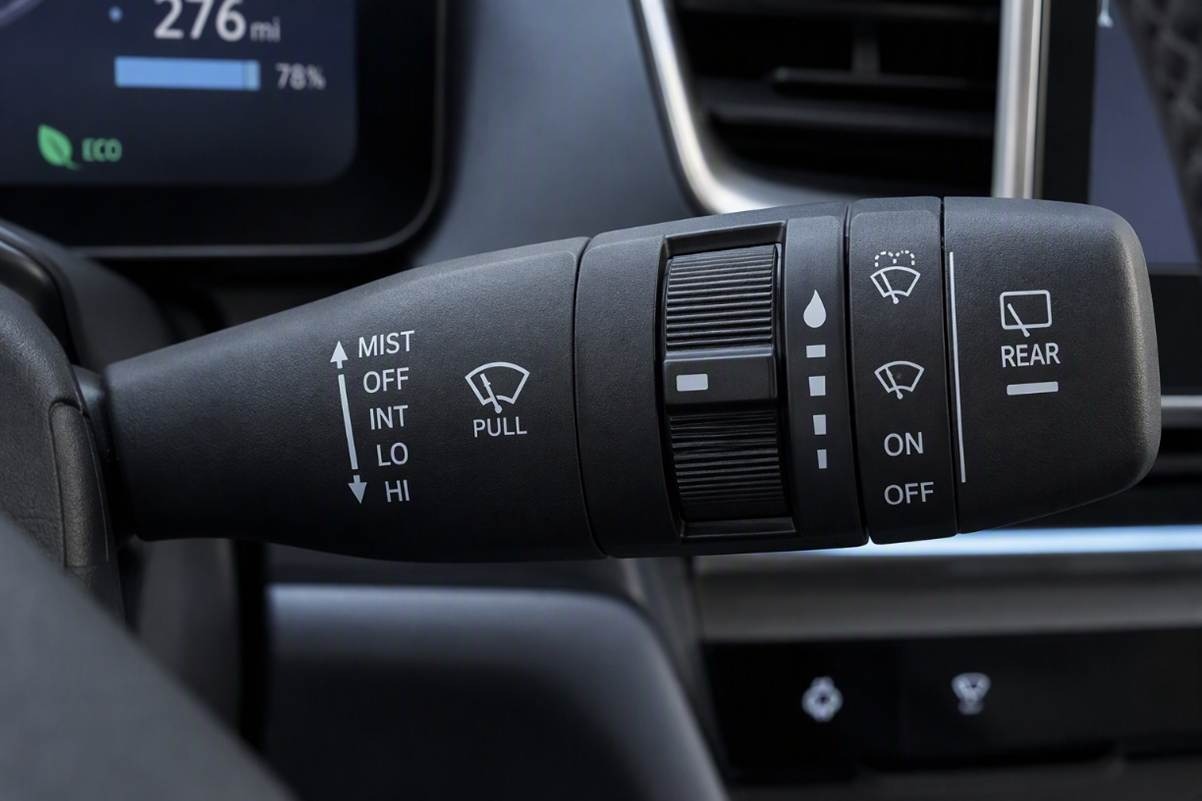
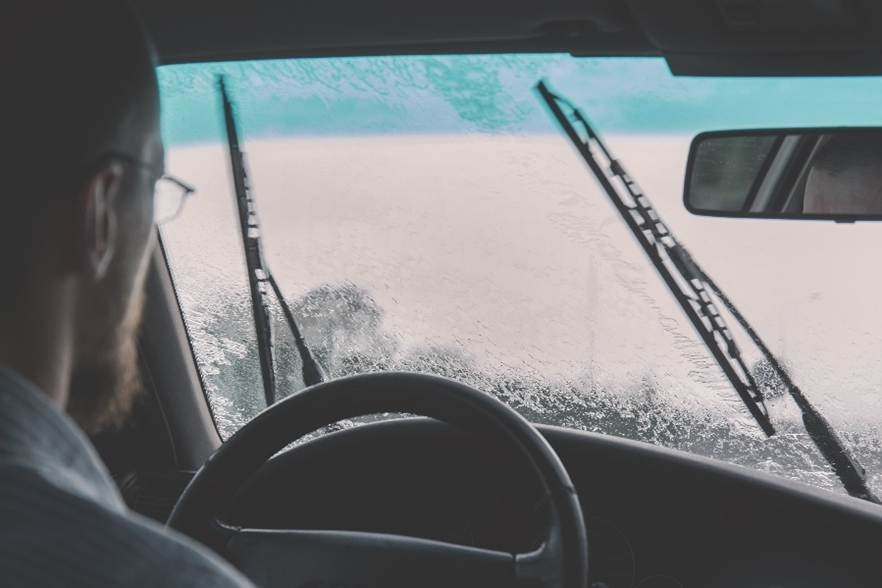
We have all been in a vehicle in the winter where the windshield is coated with an ice layer or during a rainstorm where mud and water are continually splashed on the windshield from other moving vehicles. Such environments can make driving hazardous. To aid in the driver’s safety, vehicle wipers and HVAC systems are expected to function properly to clear the windshield efficiently.
As the colder months approach, occupants may find themselves in below-freezing conditions. With the increase of remote start capability, drivers now can start their vehicle before entering to kick-start the defrosting process for a frozen-over windshield. Similarly, vehicles facing harsh or unexpected rain must reliably clear the windshield for driver visibility.
FMVSS 103: Windshield Defrosting and Defogging Systems Compliance Testing
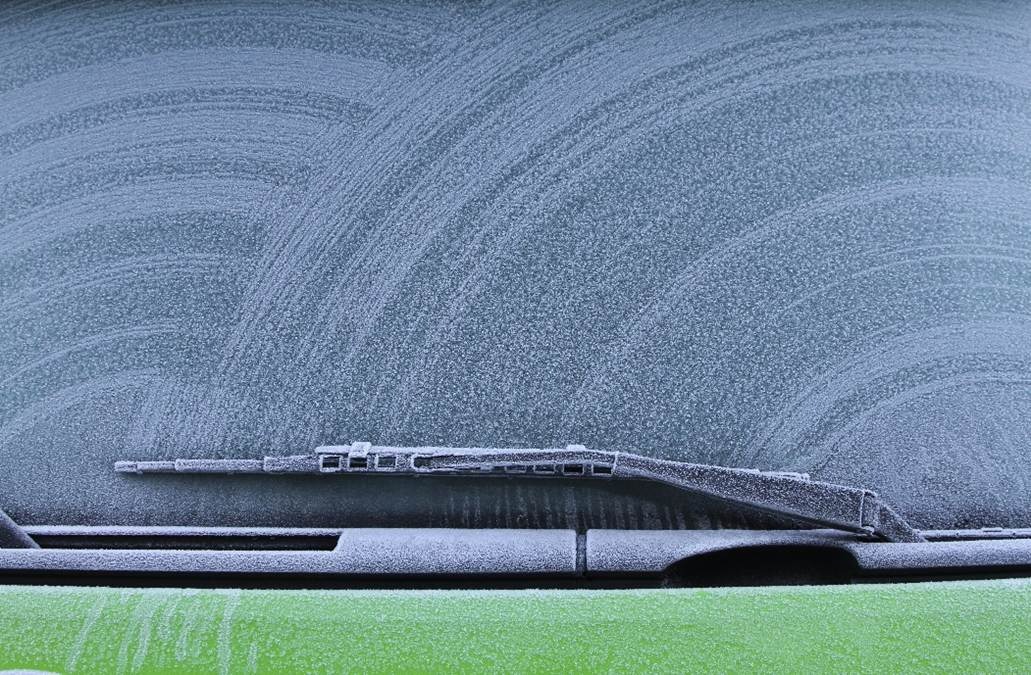
- 571.103 Standard No. 103; Windshield defrosting and defogging systems
- Specifies requirements for various vehicle types for clearing and visibility during simulated ice conditions on the windshield.
FMVSS 103 tests simulate a real-world defrosting/defogging scenario in response to a frozen windshield under controlled conditions using a full vehicle environmental test chamber.
Test Setup for FMVSS 103
Prior to testing and vehicle soaking, zones are carefully transferred to the windshield using windshield vellums provided by the manufacturer. This transfer is done on the inside of the vehicle using permanent marker. OEMs use the process defined in the standard to establish the various zones which are based on the driver’s eye location, the windshield glazing surface, and specific angular boundaries. As shown in Figure 1, Area C is drawn as the critical viewing area from the driver’s eye location while Area A is the general viewing area of the windshield.
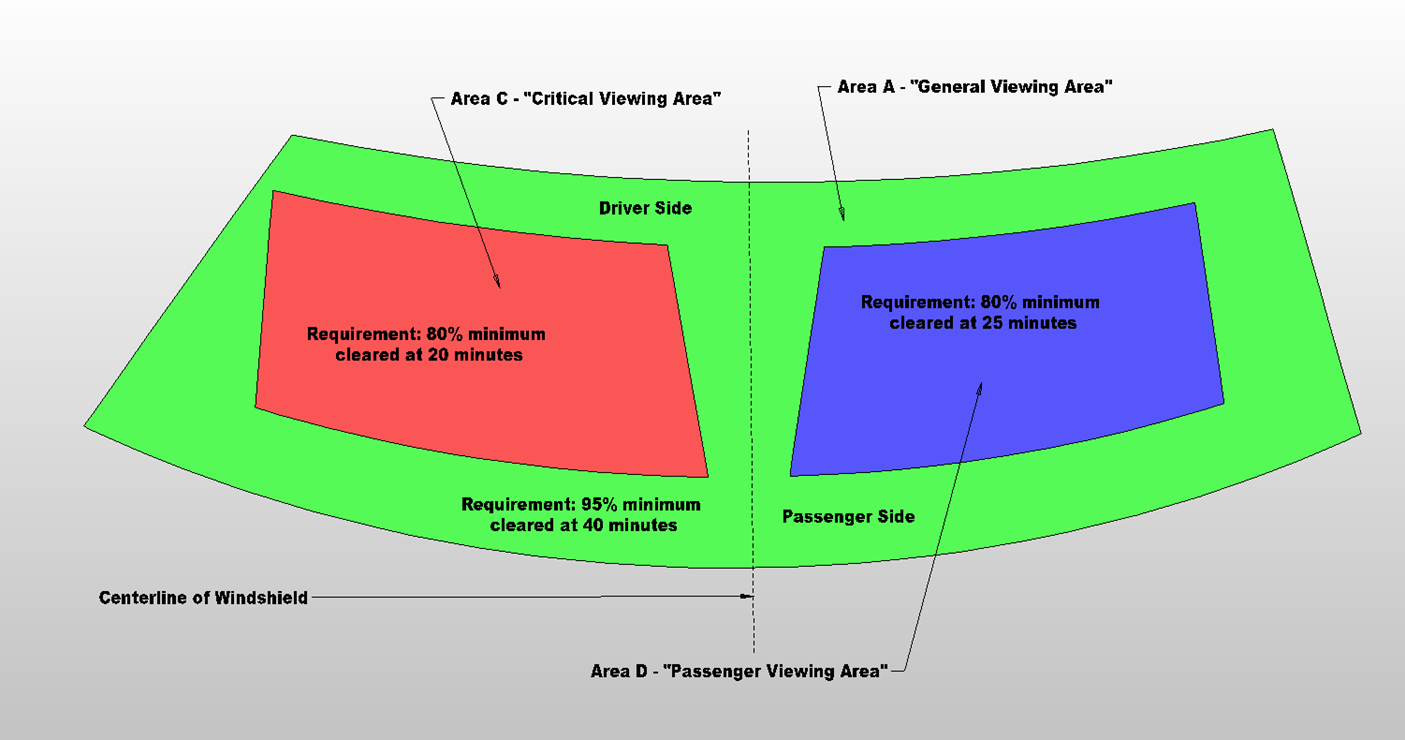
These zones help provide useful information on the driver and its occupants’ visibility during the defrosting process. During testing and inside the environmental chamber, the engineer will record and evaluate the time it takes for the windshield Areas A, C, and D to deice. The following criteria must be met:
- The driver must have the clearest view first out of the windshield in the shortest amount of time, meaning “critical” Area C must be at least 80% cleared within 20 minutes.
- A minimum of 80% of Area D must be cleared in front of the passenger within 25 minutes.
- Total Area A should be at least 95% cleared after 40 minutes from starting the vehicle.
The FMVSS 103 evaluation requires quick reaction time and efficient data evaluation at extreme temperatures. Care is needed to ensure wind resistance is low in the chamber and that the temperature is stabilized at 0°F for the duration of the test. Prior to testing, the vehicle is soaked at this extreme temperature for 24 hours.
Specified Equipment Used for FMVSS 103
Environmental Chambers
The vehicle is now ready to be conditioned in one of our many environmental chambers that have a temperature range from -40°C to 110°C. Currently, our Michigan and Wisconsin facilities can perform these tests with full vehicles. Thermocouples are placed in the radiator inlet, the heater defroster inlet, and passenger and driver defroster vents, while a thermocouple is placed outside the vehicle to measure the air in the chamber.
Data Acquisition and Collection
A standard data acquisition system is used to monitor and record these temperatures throughout the test. During the test, while sitting in the vehicle, defrost lines are drawn on the inner surface of the windshield every five minutes, and photos are taken to document windshield visibility. After testing is complete, the percentage of area defrosted in each windshield zone is calculated in five-minute increments to determine vehicle compliance with the FMVSS 103 requirements. This is done by taking the defrost lines drawn during the test and comparing them to the OEM vellum lines drawn prior to vehicle soaking. The area within each zone is the amount of coverage determined by the comparison.
FMVSS 104: Windshield Wiping and Washing Systems Compliance Testing
- 571.104 Standard No. 104; Windshield wiping and washing systems
- Specifies requirements for various vehicle types for clearing and visibility during simulated rainfall and mud conditions on the windshield.
FMVSS 104 tests simulate real-world windshield wiping and washing scenarios under controlled conditions using a water spray system and calibrated equipment. In most cases, the windshield will be covered with water or dirt, reducing visibility before the wipers are used. This test requires a real-time simulation of a vehicle’s wiping and washing system in response to a windshield continuously sprayed with water and fully covered with mud.
Test Setup for FMVSS 104
Similar to FMVSS 103, prior to testing and vehicle soaking, FMVSS 104 zones are carefully transferred to the windshield using OEM-provided vellums with the same process for Area A and C. In FMVSS 104, instead of using passenger viewing Area D, a general and smaller viewing Area B is used.
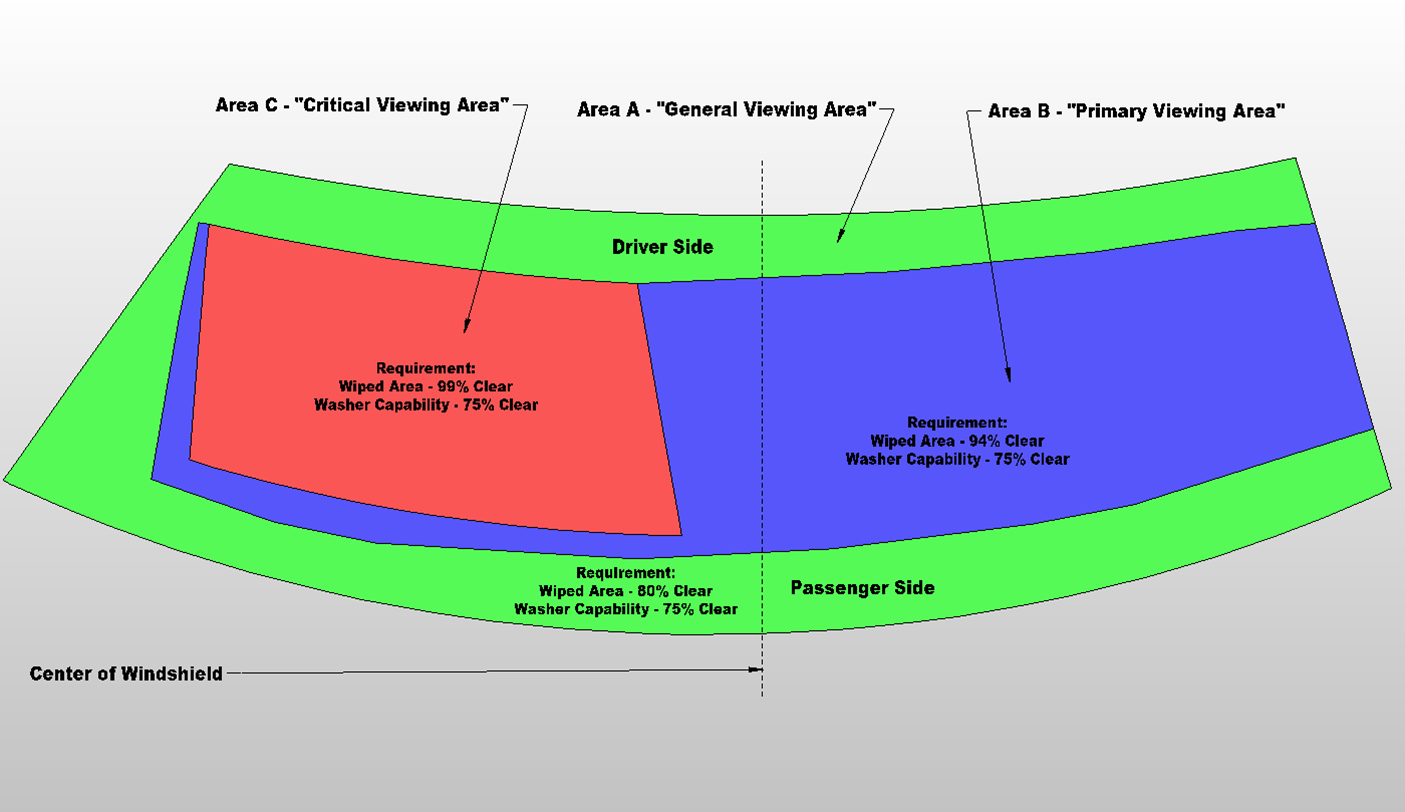
During testing, During the test, while sitting in the vehicle, the engineer will record and evaluate how much windshield Areas A, B, and C are cleared on the inner surface of the windshield with the factory-installed windshield wipers. The percent cleared test is essentially done in two parts:
- “Wiped Area” Test: A water spray system simulates a heavy downpour of water continuously onto the windshield. Zone A is required to be cleared to a minimum of 80%, while Zone B needs to be cleared to a minimum of 94%, and Zone C cleared to at least 99%.
- “Washer Capability” Test: A mixture of water and SAE J726-described fine test dust is sprayed onto the windshield, fully covering it and simulating a layer of mud. Like FMVSS 103, each respective area has their own requirements. Area C, directly in front of the vehicle operator, must be cleared to a minimum of 75%, followed by at least 75% of Area B (what the front row passenger and driver sees together). Lastly, total Area A should be 75% cleared by the windshield wipers.
Together, the wiping and washing system should not only clear most of the windshield, but also do it quickly and consistently. Care is needed to ensure wind resistance is low around the testing area and that the water temperature is less than 100°F for the duration of the tests. During testing, pictures are taken to log the status of windshield visibility. The percent area cleared in each windshield zone is calculated to determine FMVSS 104 vehicle compliance. Similar to 103, this is done by taking the wiped lines drawn during the test and comparing them to the OEM vellum lines drawn prior to test start. The area within each zone is the amount of coverage determined by the comparison.
Specified Equipment for FMVSS 104
Spray System
The FMVSS 104 evaluation requires wiper frequency data acquisition as well. When a vehicle is driving during a heavy rainstorm, the windshield wipers must be able to cycle fast enough so that the driver always has a clear line of sight, regardless of how much and how often water is pouring onto the windshield. A spray system with a water flow rate between 50 and 100 in^3/min is utilized to simulate this.
Infrared Break-Beam Laser
An infrared break-beam laser connected to counting software logs the wiper cycle count when the wiper system switch is placed in the lowest position available while maintaining at least 20 cycles per minute, and then a second evaluation when the wiper system switch is placed in the “High” position.
Test with MGA
MGA has supported manufacturers in FMVSS 103/104 testing for over 30 years. With full capabilities in designated facilities, our team is here to help with your vehicle’s defrost and wash/wipe functionality and performance. With a timeline of approximately two weeks from the receipt of the vehicle, our engineers work efficiently to meet your deadlines. For more information on FMVSS testing at MGA, visit our FMVSS 100 capabilities page or contact us today at www.mgaresearch.com/contact.
Related Articles

Aerospace & Defense
Pushing the Boundaries of Environmental Simulations

Component Development Testing
CAN and LIN Technologies in Automotive Testing

Battery Testing
Electric Vehicle Battery Management System Testing


Battery Testing
MGA’s Development in Battery Testing

Component Development Testing
Interior Emissions Testing at MGA Research

Aerospace & Defense
Bringing Aircraft Sled to ANH Sabong Factory

Vehicle Safety Testing
All About Impact Testing for Safer Cars

Aerospace & Defense
Aircraft Component/Assembly Testing in MGA Canada


Component Development Testing
MGA’s 3D Printing Solutions

Vehicle Safety Testing
MGA Expands Large Vehicle Testing Capabilities with Impact Pendulum

Component Development Testing
Material Testing in the Southwest

Vehicle Safety Testing
MGA Increasing Airbag Deployment in the Southern US

Vehicle Safety Testing
MGA’s New California Facility Conducting Official Testing for Local Customers


Vehicle Safety Testing
214 Equipment Upgrades to Meet the New Challenges for Electric Vehicles

Vehicle Safety Testing
21” Accelerator Sled Playing Major Role in EV Development

Vehicle Safety Testing
MGA Key Contributor to Nissan’s New Crash Test Facility in Farmington Hills, Michigan

Vehicle Safety Testing
MGA Advances Crash And Rollover Testing With Steering Robot

Component Development Testing
MGA Texas Expanding Into The Automotive Sector

Vehicle Safety Testing
MGA Expanding Airbag Testing in Alabama

Vehicle Safety Testing
MGA Supports the Advancement of the Mass Transit and Rail Industry

Aerospace & Defense
Seat Harness and Airbags in Aircraft Interiors

Component Development Testing
MGA Expands Sun Exposure Testing Capabilities

Component Development Testing
Noise, Vibration and Harshness - Buzz, Squeak and Rattle Testing at MGA Research Corporation


Component Development Testing
Life Cycle Expansion – Texas

Vehicle Safety Testing
Expansion of Child Restraint Testing to MGA’s Canadian Facility

Vehicle Safety Testing
MGA Leads Electric Vehicle Crash Testing

MGA’s Remote Witnessing and Virtual Meetings Update

Component Development Testing
MGA Research Rolls Out New Generation of Power and Pneumatic Durability Controllers

Component Development Testing
MGA Research Expands the Equipment Fabrication Center

Aerospace & Defense
The Advancement of Aircraft Dynamic Safety testing at MGA

Component Development Testing
Trailer Hitch and Towing Accessory Testing


Vehicle Safety Testing
OMDB and the Future of Crashworthiness

Aerospace & Defense
Aircraft Testing Services Beyond AS8049

Vehicle Safety Testing
MGA at the Forefront of Modified and Accessible Vehicle Safety

Vehicle Safety Testing
MGA Meets the Needs of the Growing Automotive Industry in the Southeast

Vehicle Safety Testing
Expansion of Rollover Capabilities Continues at MGA

Aerospace & Defense
Commercial Airliner Landing Gear Testing

Vehicle Safety Testing
Latest Updates in Pedestrian Protection


Vehicle Safety Testing
Child Passenger Safety – Child Restraint Crashworthiness


Aerospace & Defense
Aircraft Industry R&D Assistance

Component Development Testing
Industry Challenges in Evaluating Vibration/Shock Performance

Battery Testing
MGA Continues Battery Testing Expansion as the Automotive Industry Cranks Up the Dial on Hybrid and Electric Vehicles

Vehicle Safety Testing
MGA Leads Sensor Development in Rollover Events

Vehicle Safety Testing
Automated Airbag Deployment System

Vehicle Safety Testing
Investing in the Future – Crashworthiness Expansion
Ready to Get Started?
Let's discuss your testing needs and how MGA can help. Our team is ready to provide the expertise and solutions you're looking for.